
Cell culture success in 2026 hinges on more than protocol precision—it demands state-of-the-art equipment. Outdated tools compromise reproducibility and contaminate cultures.
Upgrading core instruments like biosafety cabinets, CO2 incubators, and shaker incubators ensures optimal growth conditions and workflow efficiency.
As bioprocessing and cell therapy accelerate, investing in reliable, smart-enabled equipment becomes non-negotiable.
This guide presents the critical equipment choices that will define high-performance cell culture labs in 2026.
Why Upgrading Core Lab Equipment is Critical for Cell Culture Success in 2026
Cell culture success in 2026 hinges on reliable core equipment. Obsolete tools introduce contamination risks and yield inconsistent data.
Modern biosafety cabinets provide superior airflow and enhanced user protection. Advanced CO2 incubators maintain precise temperature, gas, and humidity regulation crucial for optimal cell growth.
Shaker incubators and automated cell counters dramatically improve reproducibility across experiments. These upgrades directly strengthen the validity and impact of your research findings.
Future-proofing your lab with smart, connected equipment ensures readiness for emerging techniques. Investing now pays long-term dividends in data quality and workflow efficiency.
Finding the Best Biosafety Cabinet for Aseptic Technique and User Safety in 2026
Choosing a biosafety cabinet in 2026 requires a focus on both aseptic technique and operator safety. Class II, Type A2 cabinets with certified HEPA filtration remain the gold standard for cell culture.
Modern units feature digital airflow monitoring and real-time alarm systems to immediately alert you to potential breaches. Energy-efficient motors and quieter fans enhance the overall work environment.
Ergonomic improvements such as adjustable window angles and comfortable armrests reduce fatigue during long sessions. Investing in a cabinet with smart connectivity enables remote performance tracking and simplifies certification compliance.
Key Features to Look for in a CO2 Incubator for Precise Environmental Control
Precision in temperature, CO2, and humidity is non-negotiable for cell culture success. The following features distinguish a high-performance CO2 incubator for 2026:
How a Modern Shaker Incubator Optimizes Suspension Cell and Bioprocessing Culture
A modern shaker incubator combines orbital agitation with precise environmental controls, making it essential for suspension cell culture and bioprocessing. It maintains uniform temperature, CO2, and humidity while gently mixing cultures.
This ensures consistent nutrient distribution and gas exchange, boosting cell growth and productivity. Key features include a wide speed range, low vibration, and digital monitoring.
These capabilities optimize protocols for perfusion or fed-batch processes, helping scale up from research to production.

Detailed close-up of a state-of-the-art shaker incubator in a cell culture lab. Transparent door allows view of multiple Erlenmeyer flasks with glowing biological cultures shaking on the platform. The display shows precise RPM and temperature settings. Modern, sterile, high throughput environment.
Essential Cell Counting and Viability Analysis Tools for Accurate Experimental Data
Accurate cell counting and viability analysis are critical for reproducible cell culture experiments. Manual hemocytometers work for simple checks, but automated counters deliver precision and speed.
Essential tools include:
These instruments minimize subjective errors and support compliance with regulatory standards. Choose systems that align with your throughput needs to maintain reliable seeding densities and experimental integrity.
Integrating Advanced Microscopy and Live-Cell Imaging Into Your Core Lab Setup
Advanced microscopy and live-cell imaging systems are now essential for capturing dynamic cellular processes in real time. These tools enable non-invasive monitoring of cell health, proliferation, and response to treatments.
Key considerations when integrating imaging into your core lab include:
Proper integration streamlines workflows and yields richer data for your cell culture studies.
The Complete Guide to Cryopreservation Equipment: Controlled-Rate Freezers and Tanks
Cryopreservation safeguards cell lines for future use. Controlled-rate freezers deliver consistent cooling, preventing ice crystal damage. Storage tanks maintain temperatures below -150°C for long-term viability.
Essential equipment includes:
Leveraging Potentiostats and Electrochemical Workstations for Real-Time Cell Assays
Potentiostats and electrochemical workstations are essential for real-time cell assays. They enable continuous monitoring of oxygen consumption, pH, and redox potential. Real-time data provides insights endpoint-based methods cannot match. This makes them ideal for drug screening and bioprocess monitoring.
Core applications include real-time tracking of cell metabolism. High-sensitivity kinetic analysis of drug efficacy and toxicity is possible. They allow non-disruptive quality control and detection of redox-active biomarkers. Adding a potentiostat expands experimental possibilities and streamlines data collection.
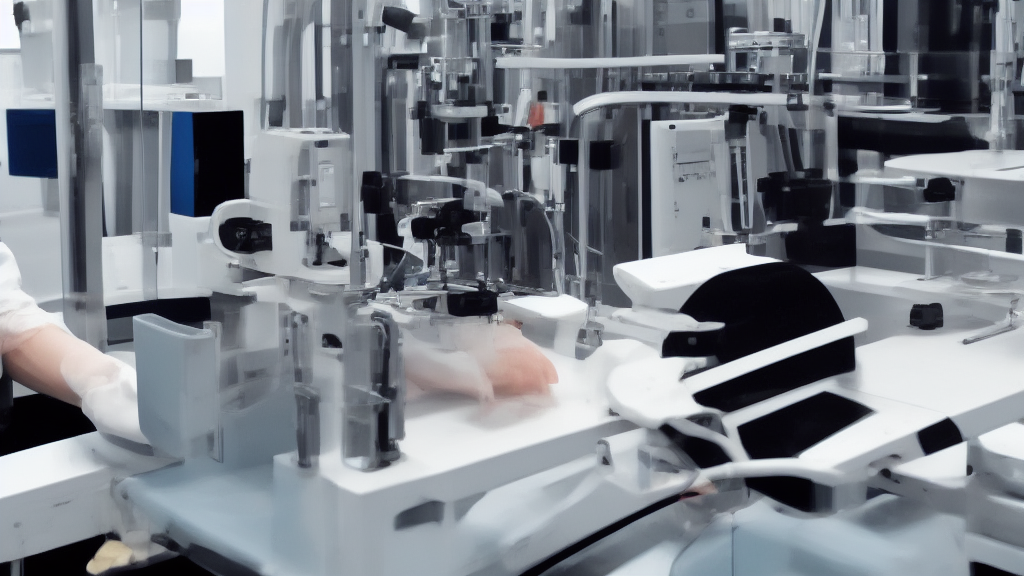
Scientist’s hands connecting microelectrode arrays from an electrochemical workstation to a cell culture plate or bioreactor. The monitor displays a real-time cyclic voltammogram or impedance-based cell growth curve. Focus on the advanced instrumentation, cables, and sterile hood environment, representing cutting-edge cell analysis in 2026.
Future-Proofing Your Lab: Smart Equipment and Automation Trends for Cell Culture in 2026
To effectively future-proof your cell culture lab for 2026, you need smart and automated core equipment. IoT-enabled biosafety cabinets and CO2 incubators provide real-time monitoring, data logging, and instant alerts for maximum control.
Automated systems for cell passaging and media exchange standardize routine tasks and significantly enhance reproducibility. AI-powered analytics use historical data to predict optimal culture conditions and continuously refine experimental protocols.
Adopting these intelligent technologies creates a highly efficient and scalable workflow for your lab. Embracing these trends positions your lab at the forefront of cell culture innovation and discovery in 2026.
By 2026, upgrading core cell culture equipment is critical for reproducibility and scientific impact. Key tools like biosafety cabinets, incubators, counters, and imaging systems are vital for modern workflows.
Smart automation and integration enhance data quality and lab efficiency. Invest in reliable, innovative equipment for a future-ready lab.
Contact Palico Bio for expert guidance.
Core Lab Equipment for Cell Culture in 2026
Cell culture success in 2026 hinges on more than protocol precision—it demands state-of-the-art equipment. Outdated tools compromise reproducibility and contaminate cultures.
Upgrading core instruments like biosafety cabinets, CO2 incubators, and shaker incubators ensures optimal growth conditions and workflow efficiency.
As bioprocessing and cell therapy accelerate, investing in reliable, smart-enabled equipment becomes non-negotiable.
This guide presents the critical equipment choices that will define high-performance cell culture labs in 2026.
Why Upgrading Core Lab Equipment is Critical for Cell Culture Success in 2026
Cell culture success in 2026 hinges on reliable core equipment. Obsolete tools introduce contamination risks and yield inconsistent data.
Modern biosafety cabinets provide superior airflow and enhanced user protection. Advanced CO2 incubators maintain precise temperature, gas, and humidity regulation crucial for optimal cell growth.
Shaker incubators and automated cell counters dramatically improve reproducibility across experiments. These upgrades directly strengthen the validity and impact of your research findings.
Future-proofing your lab with smart, connected equipment ensures readiness for emerging techniques. Investing now pays long-term dividends in data quality and workflow efficiency.
Finding the Best Biosafety Cabinet for Aseptic Technique and User Safety in 2026
Choosing a biosafety cabinet in 2026 requires a focus on both aseptic technique and operator safety. Class II, Type A2 cabinets with certified HEPA filtration remain the gold standard for cell culture.
Modern units feature digital airflow monitoring and real-time alarm systems to immediately alert you to potential breaches. Energy-efficient motors and quieter fans enhance the overall work environment.
Ergonomic improvements such as adjustable window angles and comfortable armrests reduce fatigue during long sessions. Investing in a cabinet with smart connectivity enables remote performance tracking and simplifies certification compliance.
Key Features to Look for in a CO2 Incubator for Precise Environmental Control
Precision in temperature, CO2, and humidity is non-negotiable for cell culture success. The following features distinguish a high-performance CO2 incubator for 2026:
Investing in these capabilities directly improves reproducibility and protects valuable cell lines.
How a Modern Shaker Incubator Optimizes Suspension Cell and Bioprocessing Culture
A modern shaker incubator combines orbital agitation with precise environmental controls, making it essential for suspension cell culture and bioprocessing. It maintains uniform temperature, CO2, and humidity while gently mixing cultures.
This ensures consistent nutrient distribution and gas exchange, boosting cell growth and productivity. Key features include a wide speed range, low vibration, and digital monitoring.
These capabilities optimize protocols for perfusion or fed-batch processes, helping scale up from research to production.

Detailed close-up of a state-of-the-art shaker incubator in a cell culture lab. Transparent door allows view of multiple Erlenmeyer flasks with glowing biological cultures shaking on the platform. The display shows precise RPM and temperature settings. Modern, sterile, high throughput environment.
Essential Cell Counting and Viability Analysis Tools for Accurate Experimental Data
Accurate cell counting and viability analysis are critical for reproducible cell culture experiments. Manual hemocytometers work for simple checks, but automated counters deliver precision and speed.
Essential tools include
These instruments minimize subjective errors and support compliance with regulatory standards. Choose systems that align with your throughput needs to maintain reliable seeding densities and experimental integrity.
Integrating Advanced Microscopy and Live-Cell Imaging Into Your Core Lab Setup
Advanced microscopy and live-cell imaging systems are now essential for capturing dynamic cellular processes in real time. These tools enable non-invasive monitoring of cell health, proliferation, and response to treatments.
Key considerations when integrating imaging into your core lab include:
Proper integration streamlines workflows and yields richer data for your cell culture studies.
The Complete Guide to Cryopreservation Equipment: Controlled-Rate Freezers and Tanks
Cryopreservation safeguards cell lines for future use. Controlled-rate freezers deliver consistent cooling, preventing ice crystal damage. Storage tanks maintain temperatures below -150°C for long-term viability.
Essential equipment includes:
Leveraging Potentiostats and Electrochemical Workstations for Real-Time Cell Assays
Potentiostats and electrochemical workstations are essential for real-time cell assays. They enable continuous monitoring of oxygen consumption, pH, and redox potential. Real-time data provides insights endpoint-based methods cannot match. This makes them ideal for drug screening and bioprocess monitoring.
Core applications include real-time tracking of cell metabolism. High-sensitivity kinetic analysis of drug efficacy and toxicity is possible. They allow non-disruptive quality control and detection of redox-active biomarkers. Adding a potentiostat expands experimental possibilities and streamlines data collection.
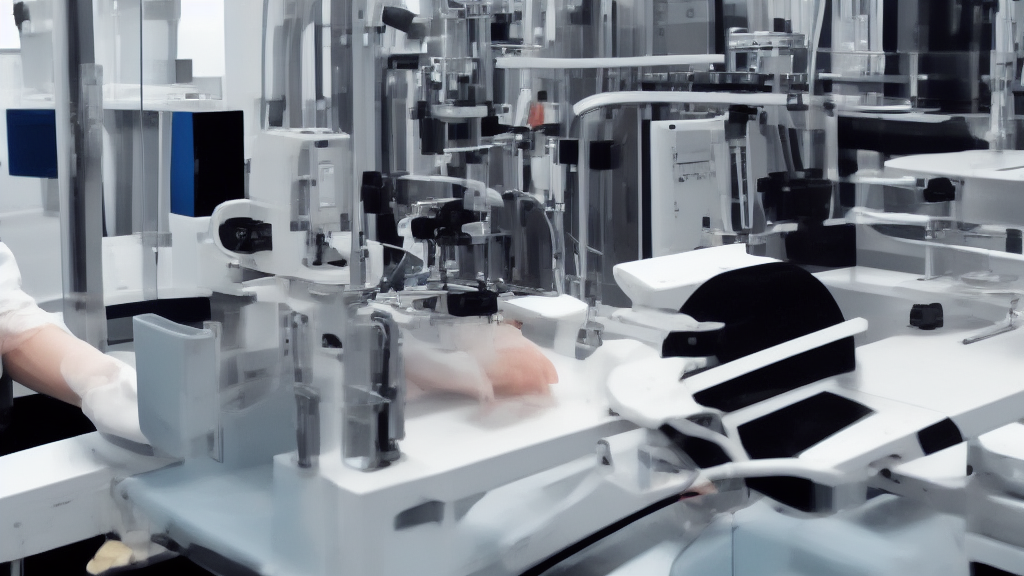
Scientist’s hands connecting microelectrode arrays from an electrochemical workstation to a cell culture plate or bioreactor. The monitor displays a real-time cyclic voltammogram or impedance-based cell growth curve. Focus on the advanced instrumentation, cables, and sterile hood environment, representing cutting-edge cell analysis in 2026.
Future-Proofing Your Lab: Smart Equipment and Automation Trends for Cell Culture in 2026
To effectively future-proof your cell culture lab for 2026, you need smart and automated core equipment. IoT-enabled biosafety cabinets and CO2 incubators provide real-time monitoring, data logging, and instant alerts for maximum control.
Automated systems for cell passaging and media exchange standardize routine tasks and significantly enhance reproducibility. AI-powered analytics use historical data to predict optimal culture conditions and continuously refine experimental protocols.
Adopting these intelligent technologies creates a highly efficient and scalable workflow for your lab. Embracing these trends positions your lab at the forefront of cell culture innovation and discovery in 2026.
By 2026, upgrading core cell culture equipment is critical for reproducibility and scientific impact. Key tools like biosafety cabinets, incubators, counters, and imaging systems are vital for modern workflows.
Smart automation and integration enhance data quality and lab efficiency. Invest in reliable, innovative equipment for a future-ready lab.