
Real Time Monitoring in Cell Culture for Better Bioprocessing 2026
Real-time monitoring is revolutionizing cell culture bioprocessing. By continuously tracking key parameters, manufacturers gain unprecedented control over critical process variables.
This shift from traditional offline sampling to continuous data streams enables faster decision-making and higher product quality.
Advanced sensors, analytics, and machine learning are now making true process understanding a reality.
As the industry moves toward 2026, embracing real-time monitoring is essential for achieving better efficiency, consistency, and yield in biopharmaceutical production.
How Real-Time Monitoring Transforms Cell Culture Bioprocessing Efficiency
Real-time monitoring equips bioprocess engineers with continuous data on viable cell density, nutrients, and product titer. In-line sensors like Raman spectroscopy and capacitance probes provide this critical information without sample extraction.
This immediate insight reduces manual sampling delays, boosting overall efficiency and enabling faster decision-making.
Key transformations include:
- Early detection of deviations and contamination
- Optimized feeding strategies based on actual metabolic demands
- Reduced batch failures and consistent product quality
Integration with machine learning algorithms further refines control, allowing predictive adjustments before issues escalate. Ultimately, real-time monitoring turns cell culture from a reactive to a proactive operation.
Essential Sensors and Analytical Tools for Continuous Cell Culture Monitoring
Modern cell culture monitoring relies on a suite of sensors and analytical tools that provide continuous data on critical process parameters.
- In-line Raman spectroscopy measures viable cell density and metabolite concentrations in real time.
- Dielectric spectroscopy tracks biomass and cell viability without sampling.
- Electrochemical biosensors with potentiostats enable sensitive detection of glucose, lactate, and other key metabolites.
- pH and dissolved oxygen sensors maintain optimal culture conditions.
In-Line Raman Spectroscopy for Real-Time Viable Cell Density Tracking
In-line Raman spectroscopy provides non-invasive, real-time tracking of viable cell density. It eliminates the need for sample removal and offline analysis.
The technique captures molecular vibrations that correlate directly with cell biomass. Chemometric models convert these spectral data into accurate VCD measurements.
This continuous monitoring enables immediate adjustments to feeding or aeration strategies. Process consistency and productivity improve significantly as a result.
Real-time VCD data allows dynamic culture adjustments, optimizing growth conditions and maximizing yield. Raman-based tracking also reduces contamination risks and handling costs.
Integration with process analytical technology frameworks enhances data-driven decision making.
Integrating Process Analytical Technology for Real-Time Bioprocess Monitoring and Control
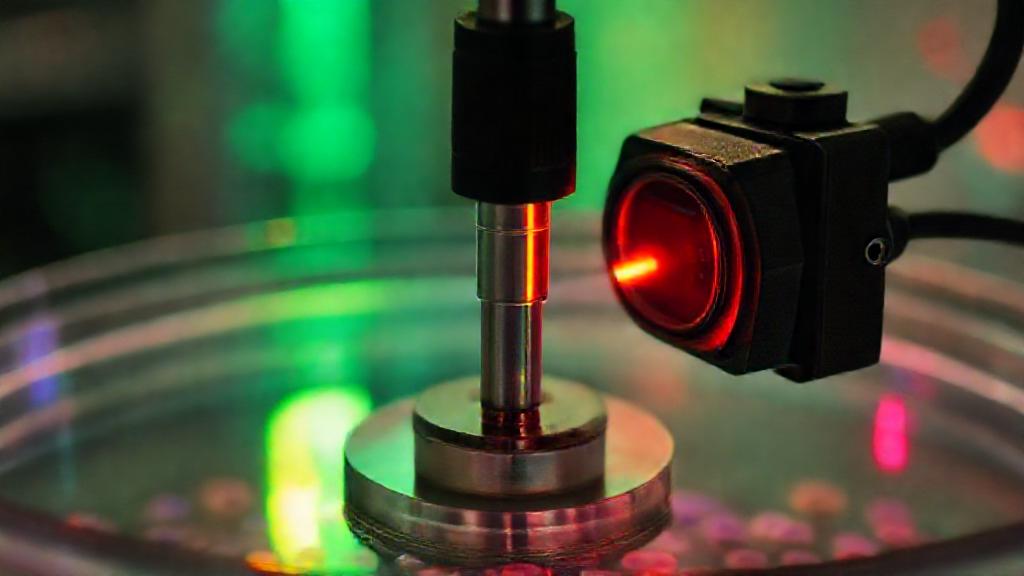
Process Analytical Technology (PAT) integrates real-time sensors and analytics to monitor and control critical process parameters. This approach enables continuous quality verification and rapid adjustments during cell culture.
By combining in-line measurements with automated feedback loops, PAT reduces variability and enhances product consistency. Key benefits include:
- Improved process understanding through multivariate data analysis
- Real-time detection of deviations and corrective actions
- Reduced reliance on offline sampling and end-point testing
Adopting PAT transforms bioprocessing from a static to a dynamic, data-driven operation.
Machine Learning and Data Analytics for Optimizing Cell Culture Processes
Machine learning transforms raw sensor data into actionable insights. Algorithms analyze Raman spectra and capacitance readings to predict viable cell density in real time.
This enables proactive nutrient feeding and waste removal, boosting productivity.
Data analytics identifies patterns invisible to traditional methods.
Models forecast culture performance and flag deviations before they impact yield. By integrating historical and real-time data, manufacturers continuously refine process parameters.
The result is a self-optimizing bioreactor environment. Machine learning reduces trial-and-error, shortens development cycles, and ensures consistent product quality.
Applications of Electrochemical Biosensors and Potentiostats in Real-Time Bioprocessing
Electrochemical biosensors and potentiostats provide a versatile platform for real‑time monitoring of cell culture processes. By converting biological interactions into measurable electrical signals, they track key analytes such as glucose, lactate, and glutamine continuously. This capability enables proactive control of nutrient levels and metabolic state.
Key applications include:
- Glucose and lactate monitoring for energy metabolism.
- Glutamine and glutamate tracking to optimize feeding.
- Cell viability assessment via impedance spectroscopy.
- Early product titer detection to improve yield.
- Real‑time pH and dissolved oxygen measurement.
Integrating these sensors into bioprocessing workflows enhances process understanding and enables timely interventions, ultimately improving product quality and consistency.
Addressing Key Challenges in Adopting Real-Time Monitoring Systems
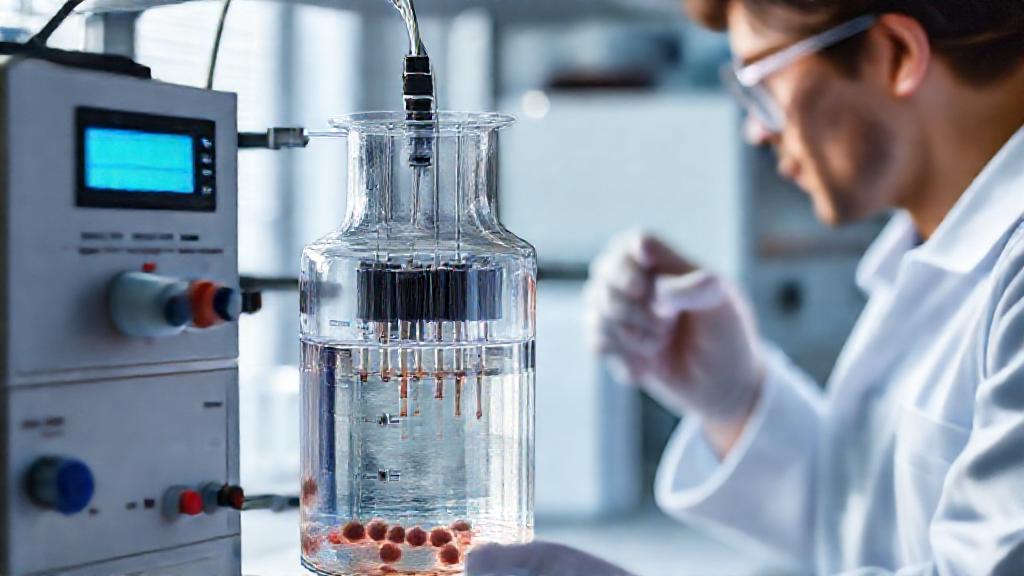
Implementing real-time monitoring systems in cell culture bioprocessing presents several notable challenges. Bioprocess engineers must navigate:
- Sensor integration complexity and process modification requirements
- Data management and interpretation with high-frequency analytics
- Sensor calibration drift and fouling over extended culture durations
- High initial capital expenditure and validation costs
These obstacles are not insurmountable. Strategic pilot-scale implementation, modular sensor selection, and cross-functional team training can streamline adoption. Partnering with experienced vendors further reduces risk and accelerates return on investment.
Future Trends and Innovations for Real-Time Bioprocessing in 2026
The year 2026 will bring transformative advances in real-time bioprocessing. Next-generation sensors and AI analytics will converge to create smarter, more autonomous cell culture systems.
- Machine learning models that predict process deviations from historical and live data and recommend adjustments.
- Miniaturized electrochemical biosensors enable continuous, real-time monitoring of multiple metabolites in single-use bioreactors.
- Advanced Raman and capacitance spectroscopy tracking viable cell density, viability, and product titer.
- Unified data platforms fuse sensor outputs to enable automated process adjustments.
These innovations will reduce manual sampling, enhance process understanding, and drive consistent product quality in 2026.
The Path Forward: Achieving Better Bioprocessing with Real-Time Monitoring
Real-time bioprocessing requires overcoming integration hurdles and scaling proven technologies. Success needs in-line sensors, analytics, and automated control.
Three priorities: robust sensors for monitoring, machine learning for predictions, and closed-loop control for adjustments. These boost productivity, lower costs, and speed development. Industry moves toward intelligent bioprocessing. Early adopters gain advantage by 2026.
Real-time monitoring is revolutionizing cell culture bioprocessing by providing unprecedented visibility into critical parameters. From Raman spectroscopy to electrochemical biosensors, these tools enable immediate data-driven decisions, boosting yield and quality.
While adoption challenges exist, the benefits far outweigh the hurdles.
As we move toward 2026, integrating real-time monitoring with machine learning will become standard practice.
Now is the time to invest in these technologies to stay competitive and achieve better bioprocessing outcomes.