

How to choose a Shaker Incubator in 2026 Trends and Practical Choices for Singapore Readers
Choosing the right shaker incubator in 2026 can transform your laboratory’s efficiency and experimental accuracy. With rapid technological advancements and Singapore’s unique climate demands, lab managers now face more options than ever before.
This guide will walk you through essential trends, critical features, and practical tips tailored for Singaporean researchers.
From energy efficiency to reliable supplier partnerships, every decision matters for long-term success.
Let’s explore how to make a smart, future-proof investment that boosts your lab’s productivity and supports cutting-edge science.
Identify Your Application Needs for a Shaker Incubator in 2026
First, define the main application for your shaker incubator. Are you focusing on microbial fermentation, mammalian cell culture, or enzymatic studies?
Each use case demands specific temperature ranges, orbital speeds, and humidity levels.
Consider your typical sample volume and throughput.
For high-density bacterial growth, you may need shaking speeds up to 500 rpm.
For sensitive cell lines, precise CO2 and humidity control are critical.
Identifying these requirements early prevents costly errors.
Discover the Latest 2026 Trends in Shaker Incubator Technology
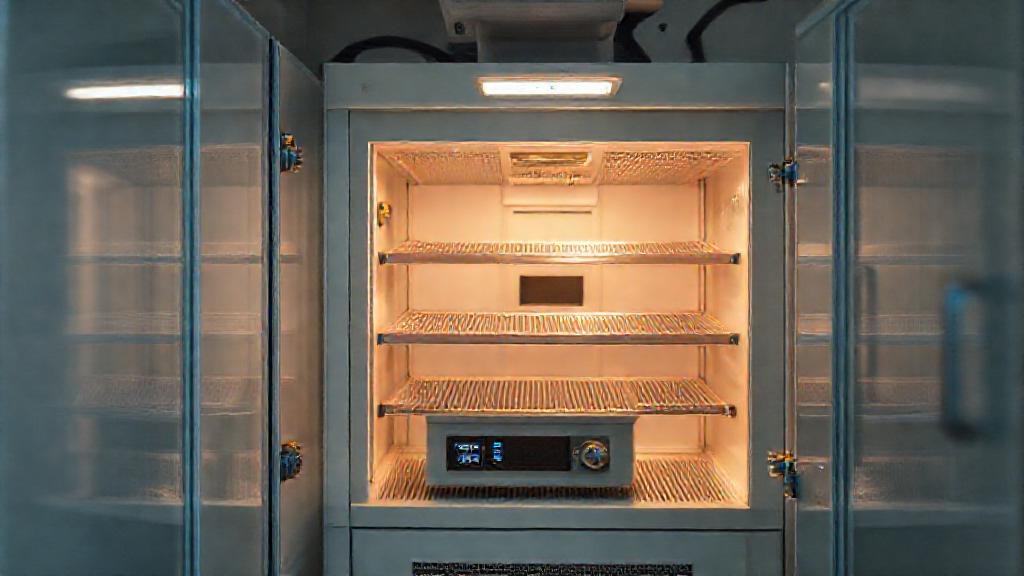
In 2026, shaker incubator technology is evolving rapidly. Key trends include IoT integration for remote monitoring and data management.
Energy-efficient designs with low-global-warming refrigerants reduce environmental impact. Touchscreen interfaces and programmable profiles enhance user experience.
Automated calibration and self-diagnostic features improve reliability. Modern shaker incubators now offer precise temperature, humidity, and orbital speed control.
Some models integrate CO2 sensors for cell culture applications. The shift toward modular designs allows scalability.
These advancements enable precise control and reproducibility, crucial for Singapore’s research labs. These features collectively boost productivity and reproducibility, especially important in Singapore’s humid climate.
By adopting these trends, labs can future-proof their workflows.
Critical Features to Compare: Temperature, Orbital Speed, and Humidity
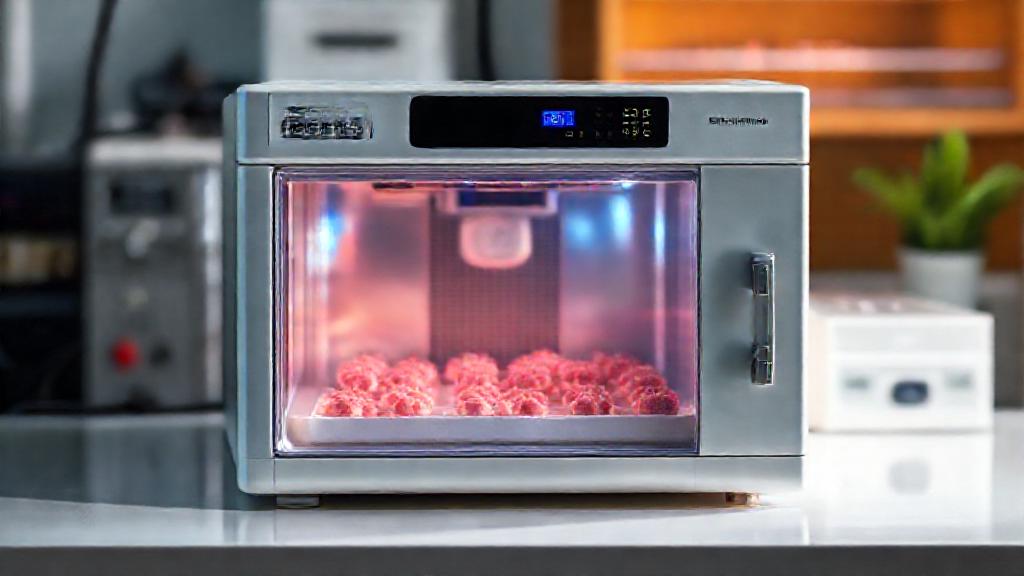
When evaluating shaker incubators, prioritize temperature stability, orbital speed, and humidity control. These three features directly impact experimental reproducibility.
1°C ensures consistent growth conditions across all samples. A wide orbital speed range (30–600 rpm) accommodates both gentle and vigorous agitation needs.
Integrated humidity sensors prevent sample evaporation during extended runs. Comparing these critical specifications will help you select a model that matches your research requirements.
Choose the Correct Capacity for Your Singapore Laboratory’s Samples
When selecting capacity, first evaluate your typical sample volume and vessel types. In Singapore’s space-constrained labs, every centimeter counts. Most labs benefit from benchtop models holding 30–100 litres.
Consider these key factors:
- Platform size: Ensure it accommodates flasks, tubes, or microplates you use daily.
- Chamber dimensions: Verify depth and height allow clearance for tallest containers and proper airflow.
- Maximum load capacity: Check weight rating for your heaviest runs.
- Future scalability: Plan for modest sample growth without a larger footprint.
Matching capacity to your needs prevents wasted space, improves uniformity, and reduces energy costs. A properly sized unit runs more efficiently and maintains experiment consistency.
Focus on Energy Efficiency and Eco-Friendly Designs for 2026
Energy efficiency is a top priority for Singapore labs aiming to reduce operational costs and environmental impact. When evaluating shaker incubators for 2026, focus on these key eco-friendly features:
- High-efficiency compressors and LED lighting to minimize power consumption significantly.
- Standby or sleep modes that reduce energy usage during idle periods.
- Natural refrigerants and recyclable materials for a smaller carbon footprint.
- Smart sensors that optimize energy use based on real-time load and conditions.
Investing in an energy-efficient model lowers utility bills and supports Singapore’s green initiatives. It also positions your laboratory as environmentally responsible. Choosing such a unit ensures sustainable lab operations for years.
Partner with Reputable Suppliers Offering Strong Support in Singapore
Selecting a reputable supplier is one of the most important decisions when investing in a shaker incubator. In Singapore’s competitive research landscape, strong local support can make all the difference in maintaining productivity and ensuring compliance.
Ensure your distributor offers these key services:
- Professional installation and calibration to accurately set temperature, speed, and humidity.
- Regular maintenance and certification to comply with Singapore’s strict laboratory standards.
- Fast-response technical support with a local inventory of critical spare parts.
- Extended warranties and flexible service contracts for peace of mind.
Choose a partner with a proven local presence to maximize uptime and protect your investment.
Learn from Common Mistakes in Shaker Incubator Selection and Use
Avoid common shaker incubator mistakes.
Ignoring temperature uniformity ruins sensitive cultures. Failing to check orbital speed accuracy causes inconsistent growth.
Choosing a shaker too small limits scalability. Overlooking humidity control is critical in high ambient humidity.
Neglecting energy efficiency increases operating costs and environmental impact. Skipping after-sales support leads to slow technical issue resolution.
Steer clear of these pitfalls for reliable performance.
Ensure Smooth Operation with Proper Installation and Calibration
Proper installation is the foundation for consistent shaker incubator performance. Place the unit on a level, vibration-free surface with adequate ventilation.
Calibrate temperature, speed, and humidity sensors using certified standards before first use.
This guarantees accuracy and reproducibility.
Engage the supplier’s technicians for professional setup and validation. In Singapore, choose vendors who include installation support.
Schedule annual recalibration and routine maintenance. Keep detailed logs of calibration checks for quality assurance.
These steps minimize downtime and extend equipment life. Reliable operation starts with correct installation and regular calibration.
Future-Proof Your Lab with Scalable and Modular Shaker Incubators
As your lab evolves, equipment must adapt. Scalable and modular shaker incubators allow you to expand capacity or upgrade features without replacing the entire unit.
Look for stackable designs and interchangeable platforms.
This flexibility minimizes future capital expenditure and supports growing research demands.
For Singapore labs facing space constraints, modular systems also enable efficient use of limited bench space. Investing in such a design ensures your equipment remains relevant as experimental requirements change.
Prioritize manufacturers that offer upgrade paths and compatible accessories. This strategic choice future‑proofs your laboratory against the fast pace of biotech innovation.
Selecting a shaker incubator in Singapore requires balancing your specific applications with 2026 trends like energy efficiency and smart controls. Focus on temperature uniformity, orbital speed precision, and appropriate capacity for your lab’s samples.
Avoid common mistakes by prioritizing reputable suppliers who provide robust installation and calibration services. Future-proof your investment with scalable, modular designs that adapt to evolving research needs.
Use this guide to confidently choose a shaker incubator that enhances reproducibility and supports your scientific breakthroughs.