
Drug Discovery Trends 2026 for Pharmaceutical Research Labs
The pharmaceutical research landscape is shifting at unprecedented speed. By 2026, AI, precision medicine, and laboratory automation will transform drug discovery.
Labs that fail to track these shifts risk losing their competitive edge. Staying ahead demands a clear view of emerging technologies and methods.
From AI-driven target discovery to sustainable lab practices, 2026 brings significant change. Research teams must quickly adapt to remain effective.
This guide highlights the key trends and strategic priorities for modern pharmaceutical labs. Understanding these shifts will help you build a future-ready discovery workflow.
Why Pharmaceutical Research Labs Must Track Drug Discovery Trends in 2026
Pharmaceutical research labs face accelerating change in 2026. Tracking drug discovery trends is no longer optional. It is essential for staying relevant and competitive.
Early awareness of AI, precision medicine, and lab automation helps labs pivot quickly. This foresight reduces costly missteps and improves pipeline throughput.
Why should labs track trends closely?
- Spot disruptive technologies before they mature
- Align investment with high-impact platforms
- Adapt to shifting regulatory expectations
- Form partnerships with emerging innovators
Labs that ignore these signals risk falling behind. Proactive trend tracking turns uncertainty into a competitive advantage.
AI-Driven Target Discovery and Generative Molecule Design Shape 2026 Pipelines
AI-driven target discovery is now a cornerstone of pharmaceutical R&D. By 2026, predictive models will prioritize targets using integrated genomic, proteomic, and real-world clinical data.
These systems reduce false positives and reveal disease mechanisms that static screening misses.
Generative molecule design has advanced equally fast.
Algorithms now propose chemically novel structures with desirable ADMET profiles.
They explore billions of compounds in silico before a single synthesis run.
Medicinal chemists then select the strongest candidates for automated synthesis and validation.
The combined effect is a measurable acceleration in early pipelines.
Labs that integrate these AI workflows shorten hit-to-lead timelines and allocate resources more strategically.
Precision Medicine and Biomarker Strategies Redefine Patient Stratification in Trials
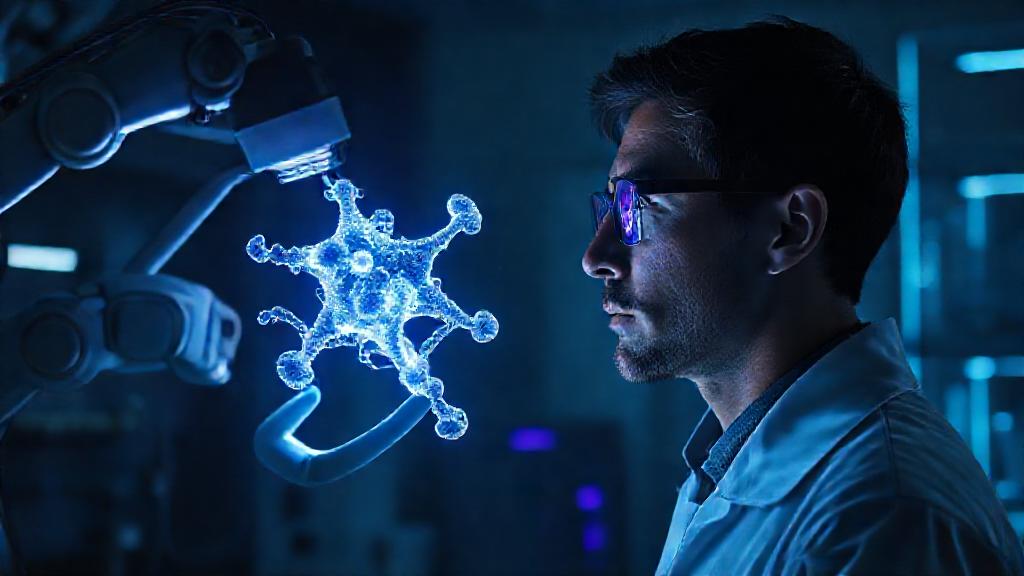
In 2026, precision medicine transforms how trials enroll patients. Biomarker-driven protocols are replacing one-size-fits-all approaches in clinical development.
Genomics and proteomics identify responsive subpopulations early. This reduces late-stage failures and boosts therapeutic efficacy.
Adaptive trial designs now leverage real-time biomarker data. Researchers can adjust dosing or cohort allocation dynamically.
Molecular profiling guides patient stratification with greater accuracy.
Consequently, smaller trials now yield statistically robust results.
This approach significantly lowers overall development costs.
Companion diagnostics support this shift by linking therapies to predictive biomarkers.
Sponsors that integrate these strategies secure faster regulatory approvals. A 2026-first discovery workflow embeds precision medicine from hit-to-lead onward.
High-Throughput Screening and Laboratory Automation Accelerate Hit-to-Lead Timelines
Automation now compresses hit-to-lead timelines from months to weeks. High-throughput screening systems evaluate thousands of compounds daily with minimal human input.
Robotic liquid handling eliminates repetitive pipetting errors and improves reproducibility. Integrated analytics deliver real-time feedback for faster go/no-go decisions.
In 2026, key developments will include:
- Adaptive AI scheduling for screening queues
- Cloud-connected lab instruments with real-time monitoring
- Self-optimizing workflows that adjust assay conditions automatically
Labs adopting these capabilities consistently produce high-quality leads in shorter timeframes. They also reduce manual bottlenecks, streamline workflows, and position labs for more cost-effective discovery.
Emerging Modalities: PROTACs, Molecular Glues, and RNA Therapeutics Gain Momentum
Emerging modalities are reshaping the 2026 discovery landscape. PROTACs and molecular glues expand the druggable proteome by recruiting the ubiquitin-proteasome system.
RNA therapeutics, including mRNA, siRNA, and antisense oligonucleotides, enable rapid, sequence-directed intervention.
These platforms unlock previously undruggable targets and offer modular design advantages.
Research labs must adapt screening workflows to evaluate degradation kinetics, intracellular delivery, and target engagement. Early investment in specialized assay platforms and analytical tools will position teams to capture this momentum.
The convergence of these modalities with AI-driven design promises faster, more selective candidates. Teams that integrate these capabilities now will lead the next wave of precision therapeutics.
Integration of Multi-Omics Data and Digital Twins in Preclinical Decision Making
In 2026, preclinical decision-making hinges on integrated multi-omics data. Genomics, proteomics, and metabolomics combine to reveal disease mechanisms in unprecedented detail.
Digital twins extend this power by modeling drug behavior in silico. Virtual organ systems simulate response, toxicity, and resistance before animal trials begin.
These models continuously update as new experimental data arrives.
This convergence actively reduces very costly late-stage failures.
It also shortens the path from target validation to candidate selection.
Cross-functional teams must align data standards and analytics pipelines.
Labs that embrace this data-rich framework will operate with greater precision and confidence.
Outsourcing Models and Collaborative Ecosystems Reshape R&D Operating Strategies
Contract research organizations now anchor many discovery pipelines. Their scalability and specialized expertise cut costs and compress timelines.
In 2026, outsourcing extends beyond routine testing into strategic platform integration. Discovery labs increasingly blend in-house science with partnered capabilities.
Collaborative ecosystems also amplify internal efforts. Academic partnerships, biotech alliances, and data consortia supply novel biology and diverse patient datasets.
These networks distribute both risk and reward, keeping pipelines flowing.
Forward-looking labs will adopt hybrid operating models.
They will maintain core competencies while leveraging external agility.
Success depends on clear contractual frameworks, integrated data streams, and mutual trust across partners.
This model reduces capital risk while accelerating candidate advancement.
Sustainability and Green Chemistry Priorities Influence Lab Equipment and Workflows
Laboratories are embedding sustainability into daily discovery workflows. Green chemistry principles now guide solvent selection and reaction design.
Equipment procurement increasingly prioritizes energy efficiency and recyclable materials. These decisions lower environmental impact without compromising experimental throughput.
Key priorities for 2026 include:
- Minimizing hazardous solvent use through micro-scale chemistry.
- Replacing legacy devices with low-energy, high-efficiency instruments.
- Adopting real-time waste monitoring and closed-loop recycling.
Such changes align with corporate net-zero commitments and tightening regulations. Sustainable labs also cut operating costs and energy consumption.
Early adoption helps teams attract funding and meet partner sustainability audits. It is becoming a strategic advantage in competitive discovery programs.
Preparing Your Pharmaceutical Research Lab for a 2026-First Discovery Workflow
To stay competitive in 2026, labs must align discovery workflows with AI-driven design, automation, and multi-omics integration. Start by auditing your infrastructure for data interoperability gaps and instrument bottlenecks.
Prioritize these actions:
- Adopt modular automation platforms for scalable screening and hit validation.
- Build cross-functional teams skilled in computational chemistry and data science.
- Implement FAIR data standards to feed digital twin models and collaborative ecosystems.
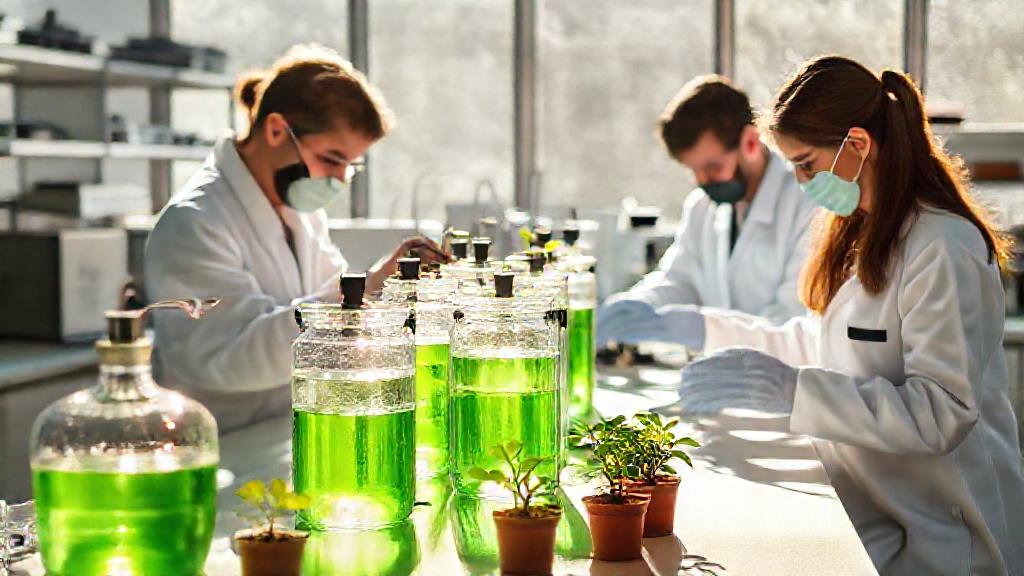
- Invest in green chemistry tools and energy-efficient lab equipment to meet sustainability targets.
Early adoption reduces friction, accelerates hit-to-lead timelines, and positions your lab as a preferred partner. The 2026 landscape rewards decisive preparation—so act now.
Drug discovery in 2026 will reward labs that embrace AI-driven design, precision patient stratification, and automated workflows. Emerging modalities and multi-omics integration are no longer optional; they are central to competitive pipelines.
Sustainability and collaborative outsourcing also shape the operating landscape. Now is the time to audit your laboratory tools and capabilities.
Align your workflow with these trends to accelerate hit-to-lead progress and stay ahead in a rapidly evolving field.