
Essential Cell Culture Equipment Checklist for 2026 Lab Setup
Setting up a cell culture lab in 2026 means more than buying instruments. Every choice affects reproducibility, contamination control, and long-term research success.
From biosafety cabinets to cold storage, each piece of equipment plays a critical role in protecting your cells and your data.
This checklist helps you plan a functional, future-ready workspace.
Use it to guide purchasing decisions, prioritize upgrades, and allocate your budget wisely. A well-equipped lab sets the foundation for dependable experiments.
Why a Purpose-Built Cell Culture Workspace Matters for 2026 Labs
Cell culture demands an environment built for sterility and precision. A dedicated workspace minimizes contamination risks that compromise experimental outcomes.
In 2026, labs face tighter reproducibility standards and stricter safety oversight.
Purpose-built layouts separate clean workflows from sample processing and storage.
This reduces cross-contamination and improves daily efficiency. Controlled airflow, smooth surfaces, and proper equipment placement all contribute to reliable cell growth.
Investing in a purpose-designed area also simplifies compliance with updated regulations. It protects both your research and your team.
The right foundation turns routine protocols into consistent, publication-ready results.
Biosafety Cabinets: The First Line of Defense for Sterile Work
Biosafety cabinets provide a critical environment for sterile cell culture work. They protect both the researcher and the sensitive biological samples from contamination.
These cabinets maintain a controlled air flow and prevent airborne particle migration. Proper use is essential for maintaining aseptic conditions in your laboratory setup.
Selecting the correct class of biosafety cabinet depends on the specific procedures being performed. For most standard cell culture tasks, a Class II cabinet offers sufficient protection against microbial contamination.
Always ensure the cabinet operates under appropriate pressure differentials to maintain sterility throughout the process.
CO2 Incubators: Choosing Temperature, Humidity, and Contamination Control
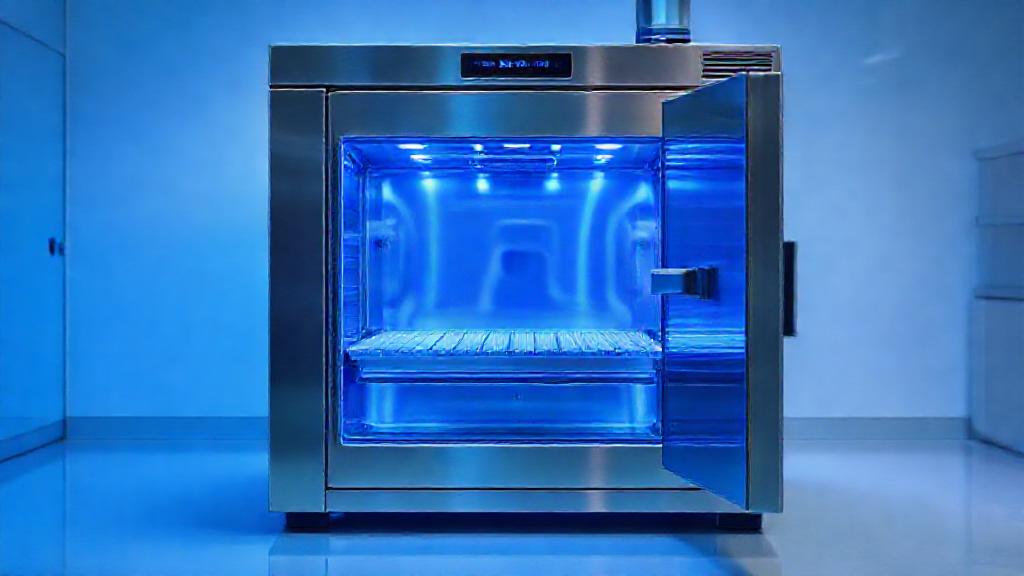
Selecting the right CO2 incubator is crucial for successful cell culture. It must maintain precise temperature and humidity levels for optimal cell growth. These controlled environments prevent contamination and ensure cell viability throughout the experiment.
Ensure your incubator offers stable temperature control within ±0.2°C. Proper humidity management is also essential for maintaining cell health and proper media performance.
Key features to consider when purchasing an incubator include:
- Temperature regulation accuracy.
- Humidity control capabilities.
- Forced-air circulation systems.
- Rapid temperature recovery functions.
Centrifuges and Microscopes: Core Tools for Cell Processing and Observation
Centrifuges are essential tools for separating cells and organelles based on density. They allow researchers to process large volumes of cell culture media efficiently.
Microscopes provide the necessary resolution for observing cellular morphology and structure accurately. These instruments enable detailed analysis of cell health and behavior in culture.
Accurate separation using centrifuges is a critical first step in many experiments. High-quality microscopes ensure reliable data collection regarding cell characteristics.
Essential Liquid Handling Tools: Pipettes, Aids, and Dispensers for Accuracy
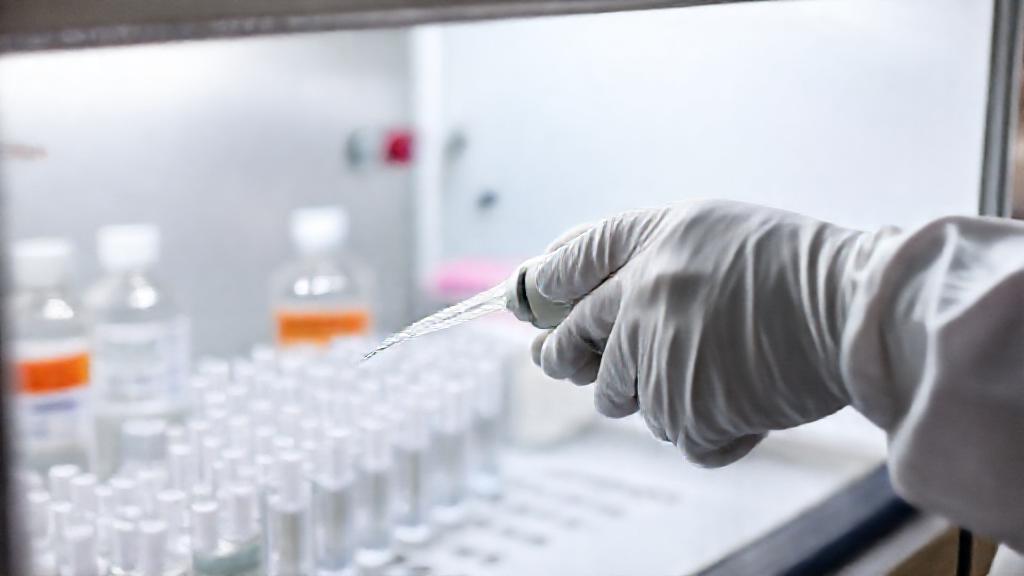
Accurate liquid handling is fundamental for successful cell culture experiments. Precision in volume measurement directly impacts cell viability and growth rates.
Investing in high-quality pipettes and associated aids ensures reproducible results across all protocols.
Key tools that enhance accuracy include:
- Micropipettes for precise small volume transfers.
- Volumetric flasks for accurate reagent preparation.
- Automated dispensers for high-throughput handling.
Using calibrated equipment minimizes errors in media preparation and cell seeding. Proper technique with these tools is critical for reliable biological data.
Cold Storage Solutions: Refrigerators and Freezers for Reagents and Cells
Proper cold storage is critical for maintaining cell viability and reagent integrity. You need reliable solutions for both short-term reagents and long-term cell storage. This ensures that your experiments remain reproducible and accurate over time.
Long-term storage requires specialized freezers capable of maintaining ultra-low temperatures. These are essential for banking valuable cell lines or sensitive biological reagents securely.
- Refrigerators are ideal for storing media, buffers, and reagents needed for immediate use.
- Freezers, such as -80°C units, provide the necessary stability for long-term storage of cells and DNA samples.
Invest in quality equipment that offers precise temperature control and reliable performance for your entire lab setup.
Supporting Equipment: Water Baths, Vortex Mixers, and Sterilization Tools
Accurate cell culture requires specialized supporting equipment for optimal results. These tools ensure precise temperature control and sterile handling of materials. A water bath provides gentle, uniform heating necessary for thawing frozen reagents or warming media consistently.
- Water Bath: Essential for controlled heating of solutions and media to maintain required temperatures.
- Vortex Mixer: Facilitates rapid and efficient mixing of cell suspensions and reagents.
- Sterilization Tools: Include autoclaves or other methods for ensuring all equipment and media are sterile before use.
These items are crucial for maintaining the integrity and quality of your cell culture experiments.
Planning Your 2026 Cell Culture Lab Budget and Equipment Priorities
Setting a realistic budget is crucial for a successful lab start. Prioritize essential equipment based on your planned research goals and anticipated workload.
Consider the cost of high-quality incubators, centrifuges, and cold storage solutions first. These foundational items ensure reliable cell growth and sample preservation.
Next, evaluate specialized instruments like automated liquid handlers or imaging systems. These tools will significantly increase efficiency during experimentation.
Develop a phased purchasing plan to manage financial constraints effectively over time.
Final Checklist: Must-Have Cell Culture Equipment Before You Open
Selecting the right CO2 incubator is crucial for successful cell culture work. It provides the precise environmental conditions cells require for optimal growth and viability.
2°C for consistent results. Maintaining appropriate humidity levels prevents media evaporation, which is vital for cell health.
Contamination control is achieved through sealed systems and proper air exchange mechanisms. Invest in incubators with forced-air circulation for uniform temperature distribution throughout the chamber.
Setting up a modern cell culture lab requires careful planning and investment. Ensure you prioritize essential equipment like precise incubators, reliable cold storage, and accurate liquid handling tools.
These systems are crucial for maintaining the sterility and integrity of your experiments in 2026. Review the checklist to ensure you have all necessary components before you begin your research journey.
Invest wisely in quality equipment that supports reproducible results. Start with a thorough assessment of your needs, focusing on temperature control and accurate measurement.