
2026 Guide to 2 to 8 C Pharmaceutical Lab Refrigerators and Costs
Pharmaceutical integrity depends on unwavering cold storage, and the 2°C to 8°C range is the universally accepted standard. In 2026, laboratories face tighter compliance demands and rising equipment budgets.
This guide walks through selection criteria, real pricing, and daily management practices. You will learn to compare models from leading manufacturers, avoid costly missteps, and control total cost of ownership.
Whether you are equipping a new pharmacy or upgrading an aging unit, the details here protect both your samples and your budget.
Understand Pharmaceutical Storage Requirements Before Selecting 2 to 8 C Lab Refrigerators
Pharmaceutical storage rules are set by USP, FDA, and CDC guidance rather than guesswork. Every refrigerated product must stay between 2°C and 8°C (36°F and 46°F) at all times.
Before choosing a unit, confirm these storage conditions:
- Product-specific label ranges and any tighter manufacturer limits
- Required monitoring, alarm, and temperature-logging documentation
- Storage volume, shelving layout, and access frequency needs
- Compliance expectations for audits, accreditation, and inspections
Some vaccines and biologics demand tighter control than the general range. Temperature mapping and calibration records prove your refrigerator performs correctly. Documenting these needs early prevents costly equipment returns later.
Compare Essential 2 to 8 C Refrigerator Features Including Alarms and Energy Costs
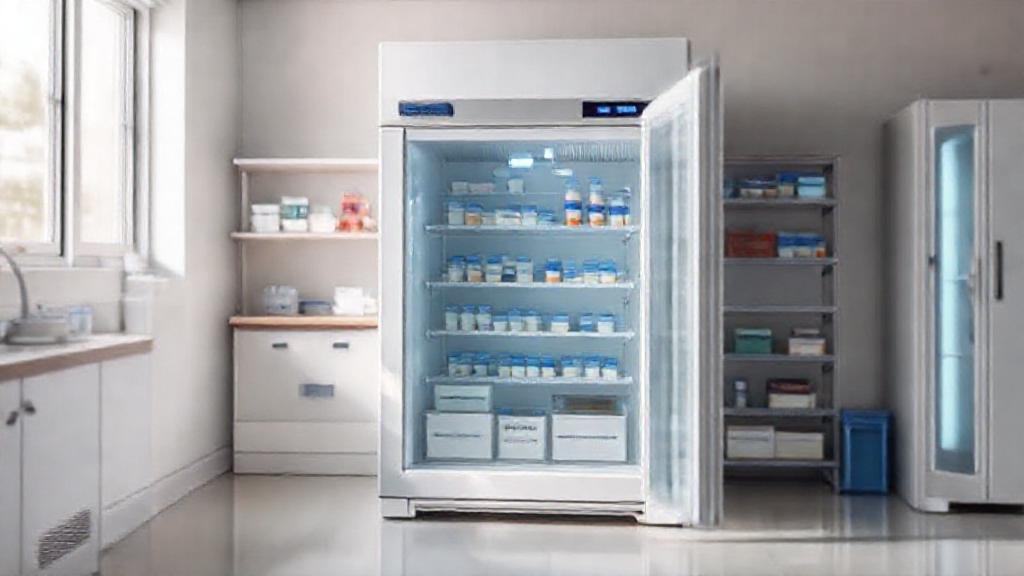
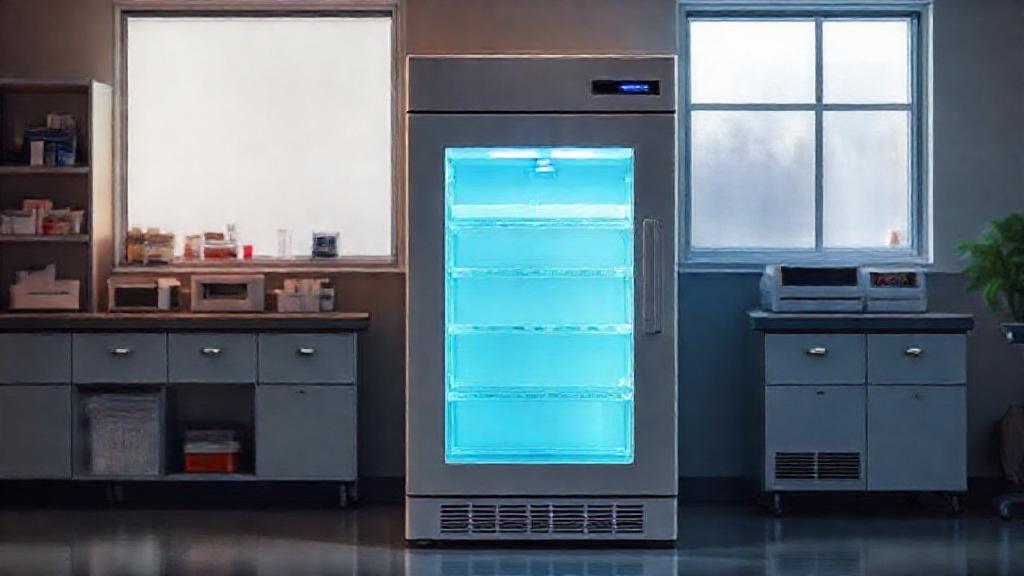
Feature comparison should focus on what protects product and budget over the unit’s lifespan. Prioritize the capabilities that regulators inspect most closely.
- Alarm systems with remote notification, backup battery, and independent probes
- Temperature uniformity verified by third-party mapping studies
- Data logging with touchscreen event histories for audit trails
- Energy consumption: look for high-efficiency compressors and R290 refrigerant
- Cabinet construction, door seals, and sliding glass door configurations
Compare energy costs in kWh per day rather than purchase price alone. Compact undercounter units start near $1,500, while full-size glass-door pharmaceutical refrigerators often exceed $5,000.
Set Up Proper Placement, Power, and Calibration for Pharmaceutical Refrigerator Performance
Position each unit away from heat sources, direct sunlight, and exterior walls that fluctuate. Ambient heat forces the compressor to run longer, raising energy costs. Allow at least four inches of clearance behind and beside the cabinet for airflow.
- Place the refrigerator on a level, stable surface to prevent compressor strain.
- Connect it to a dedicated grounded circuit rated for the unit’s amperage.
- Verify voltage stability with a surge protector or line conditioner.
- Calibrate the onboard sensor against a NIST-traceable reference probe quarterly.
- Document every calibration in a dated, signed logbook.
Consistent placement and calibration protect product integrity and audit readiness.
Apply Proven Storage Techniques to Maintain 2 to 8 C Temperature Ranges Reliably
Reliable 2 to 8°C performance depends as much on daily habits as on equipment quality. Small adjustments to loading and access protect every dose and sample.
- Set the operating target near 4°C to buffer against minor fluctuations.
- Leave space between shelves and walls for steady air circulation.
- Group medications in labeled bins and rotate stock by earliest expiry first.
- Limit door openings and plan retrievals to protect internal stability.
Use calibrated data loggers to verify that airflow changes work. Document each action and review trends weekly to confirm control.
Avoid Common Mistakes in Pharmaceutical Lab Refrigerator Selection, Loading, and Cost Planning
Costly errors usually begin long before a unit is plugged in. Buyers who skip a documented risk assessment often buy the wrong unit. It may fail to hold 2°C to 8°C under real lab loads.
Watch for these recurring mistakes.
- Choosing a household refrigerator instead of medical-grade equipment
- Setting the thermostat at 8°C with no safety buffer
- Blocking air returns or overloading shelves, creating warm pockets
- Budgeting purchase price only, ignoring calibration and service
- Forgetting door-opening frequency, ambient heat, and compressor duty
Documented temperature mapping and annual calibration protect both patients and budgets.
Measure Refrigerator Performance, Compliance, and Total Cost of Ownership Over Time
Monthly reviews reveal how well your 2 to 8 C units hold setpoints under load. Log high and low excursions, door openings, and recovery times for each cabinet.
Track these metrics to calculate accurate total cost of ownership:
- Purchase price plus calibration and validation fees
- Annual energy consumption and preventive maintenance contracts
- Repair costs, downtime, and spoiled product losses
Compare these results against manufacturer benchmarks every quarter. Adjust placement or loading when trends drift from expected ranges.
Document all findings in an audit-ready log for inspectors. This disciplined review protects product integrity and controls long-term spending.
Take Your 2 to 8 C Lab Refrigerator Management Skills to the Next Level
Moving beyond basic compliance turns routine cold storage into a genuine operational advantage for your laboratory.
- Build a preventive maintenance calendar that covers gaskets, filters, and condenser coils.
- Run quarterly calibration checks and document every probe adjustment in your audit log for inspectors.
- Track energy consumption per unit to catch failing compressors before temperatures drift.
- Cross-train staff on alarm response so no single person owns temperature safety.
- Review access logs monthly to identify door-opening patterns that stress the compressor.
Deliberate practice like this protects product integrity and controls long-term ownership costs.
Troubleshoot Common Issues Affecting 2 to 8 C Pharmaceutical Lab Refrigerator Temperature and Costs
Most temperature excursions trace back to a few predictable causes. Diagnosing them quickly protects products and prevents costly replacements.
- Warm readings after door openings often signal worn gaskets or overcrowded shelves.
- Frequent alarms at night may indicate high ambient heat or blocked rear vents.
- Rising energy costs typically point to dirty condenser coils or failing door seals.
- Ice buildup near the evaporator suggests humidity intrusion or a faulty defrost cycle.
Address minor faults before they escalate into full unit failure. Log every event, since recurring faults steadily raise total cost of ownership.
Pharmaceutical refrigeration demands disciplined planning, from model selection to daily monitoring. A validated 2 to 8 °C refrigerator protects drug potency, regulatory compliance, and patient safety.
Focus on total cost of ownership, not just purchase price. Energy consumption, calibration, and downtime quietly shape long-term value.
Alarms and monitoring safeguards also prevent costly product loss.
Review your calibration schedule and storage logs this quarter.
Explore Palicobio’s 2 to 8 °C laboratory refrigerators to build a compliant, cost-efficient cold chain.