
2026 Laboratory Centrifuges for Cell Culture and Biopharma Research
Laboratory centrifuges remain the quiet workhorses of cell culture and biopharmaceutical research. In 2026, they separate cells, proteins, and viral vectors with a precision that directly shapes downstream yield.
Choosing the right instrument now means balancing cell viability against throughput and regulatory proof. Teams harvest delicate mammalian cultures at scales ranging from shake flasks to pilot bioreactors, where rotor geometry quietly decides recovery.
This guide covers the features, rotor types, safety protocols, and maintenance practices that define dependable centrifugation in modern biopharma laboratories.
Essential 2026 Laboratory Centrifuges for Cell Culture and Biopharma Research Workflows
Centrifuges in 2026 span a wide performance range, from microcentrifuge to continuous flow. Matching the instrument to the workflow matters more than raw speed alone.
Cell culture teams and process developers demand different rotor geometry, capacity, and temperature control.
- Benchtop microcentrifuges handle daily pelleting of small mammalian cultures and nucleic acid samples.
- Refrigerated high-speed floor models protect protein and viral vector integrity during larger harvests.
- Continuous-flow systems support pilot-scale bioprocess recovery with consistent, reproducible g-force.
- Swing-bucket units provide gentle gradients for viable cell separation and density purification.
Choosing wisely at this stage shapes recovery yield and reproducibility downstream.
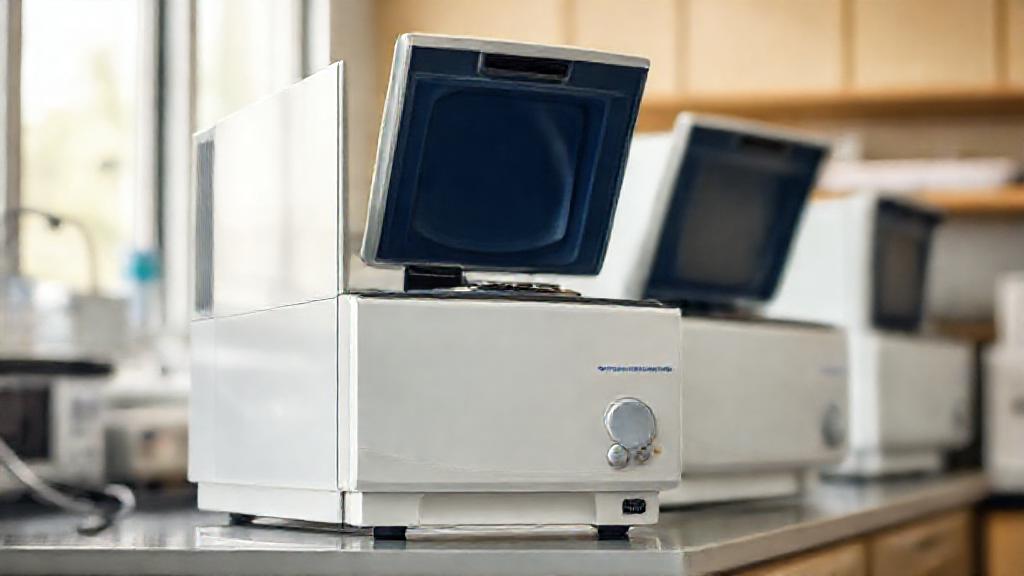
Key Features to Evaluate in 2026 Laboratory Centrifuges for Cell Culture
Evaluating a 2026 centrifuge for cell culture requires looking beyond maximum speed alone.
- Refrigeration to 4°C protects heat-sensitive mammalian cultures.
- Interchangeable rotors support tubes, flasks, and microplates.
- Adjustable acceleration and deceleration preserve cell viability.
- Sealed biosafety lids contain aerosols during hazardous runs.
- Digital logs and calibration alerts simplify compliance.
- User-friendly interfaces reduce training time and operational errors.
Temperature recovery between runs matters when processing multiple plates. Confirm the unit reaches setpoint quickly and holds it under full load.
Choose models with documented rotor speed accuracy and temperature uniformity. A quiet, vibration-resistant drive also protects sensitive cultures.
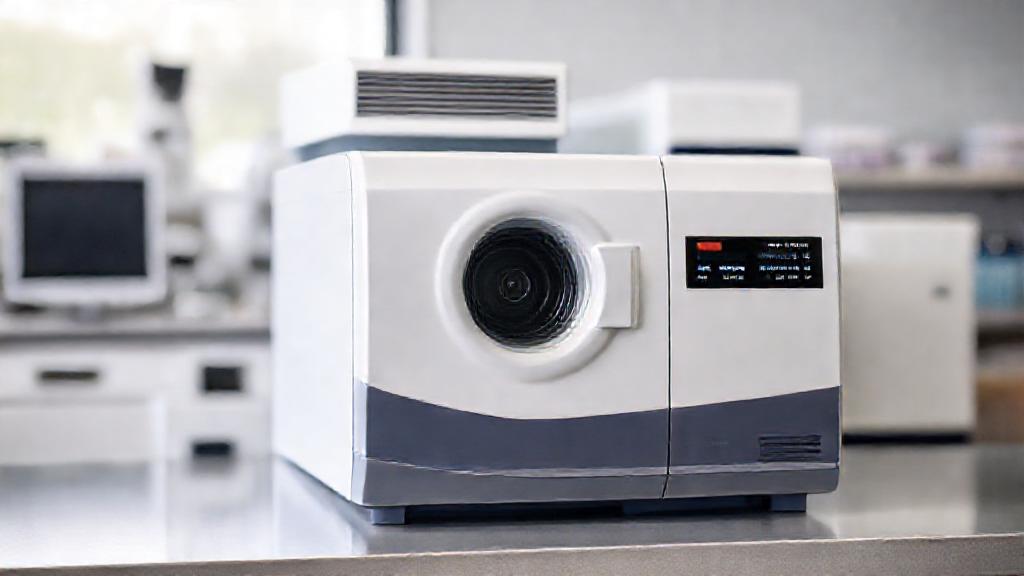
How to Select Laboratory Centrifuges for Biopharma Research in 2026
Selection begins with your application profile, not the catalog specification sheet. Define sample volume, cell fragility, and target recovery before comparing instruments.
Work through these criteria in sequence to narrow the field efficiently:
- Match maximum RCF and rotor geometry to your harvest volume
- Confirm refrigeration range holds 4°C under continuous load
- Verify biosafety sealing for aerosol containment at your risk level
- Check data logging meets 21 CFR Part 11 expectations
- Evaluate rotor lead times and long-term service contracts
Delicate mammalian cultures reward gentle acceleration and braking profiles. Prioritize programmable ramp control over headline speed, because abrupt deceleration shears cells.
Understanding Rotor Types and Applications for Cell Culture Centrifugation in 2026
Rotor choice shapes separation efficiency, cell viability, and recovery yield more than maximum speed alone. Each geometry suits distinct cell culture and biopharma workflows.
Three rotor families dominate modern cell culture centrifugation:
- Swing-bucket rotors: gentle pelleting of intact mammalian cells and plate harvests
- Fixed-angle rotors: fast clarification of lysates, proteins, and viral vectors
- Vertical rotors: high-throughput density gradient separations in minimal runtime
Swing-bucket designs remain the standard for pelleting intact mammalian cells gently. Fixed-angle and vertical options serve lysate clarification and gradient purification at higher throughput.
Best Practices for Maintaining Laboratory Centrifuges in Biopharma Research Facilities
Routine maintenance protects both separation accuracy and operator safety in regulated biopharma labs. A disciplined schedule keeps rotors balanced, seals intact, and calibration records audit-ready.
Adopt these core practices to extend rotor life and preserve reproducibility:
- Inspect rotor chambers and seals weekly for cracks, corrosion, or residual sample.
- Clean chamber surfaces with approved disinfectants after every spill.
- Verify speed and temperature calibration quarterly against certified reference instruments.
- Log every run, including rotor serial number, RCF, and runtime hours.
- Retire rotors at manufacturer-specified cycle limits, not when they visibly fail.
Consistent documentation turns these habits into defensible compliance evidence.
Safety Protocols and Compliance for 2026 Laboratory Centrifuges in Cell Culture Labs
Safety and compliance anchor every 2026 centrifuge protocol in cell culture laboratories. Regulatory frameworks now demand documented rotor logs, biosafety containment, and verified decontamination cycles.
Core safeguards for daily operation include:
- Balance tubes by weight before every spin to prevent rotor stress.
- Inspect seals, O-rings, and rotor chambers for cracks or corrosion weekly.
- Use aerosol-tight lids when processing mammalian cultures or infectious vectors.
- Record runtime, speed, and temperature in a traceable compliance log.
- Train staff annually on emergency stop, spill response, and rotor decontamination.
Following these steps protects personnel and preserves reproducible biopharma results.
Optimizing Centrifugation Parameters for Mammalian Cell Culture and Biopharma Recovery
Precise parameter control protects mammalian cell viability while maximizing recovery yield.
- Use relative centrifugal force (RCF) rather than RPM to standardize across rotor geometries.
- Keep harvest spins gentle, typically 300–500 × g for 5–10 minutes at 4°C.
- Set slow acceleration and braking to prevent shear stress and pellet disruption.
- Verify temperature stability before loading delicate cultures.
For biopharma recovery, balance harvest time against the risk of proteolytic degradation. Documenting every protocol keeps results reproducible across scales and operators.
Common Challenges When Using Laboratory Centrifuges for Cell Culture Research
Even well-equipped 2026 laboratories encounter recurring obstacles during cell culture centrifugation.
- Shear stress and rotor vibration can reduce mammalian cell viability.
- Mismatched g-force calculations produce inconsistent pellet formation and yield loss.
- Temperature drift during extended runs compromises sensitive protein and vector integrity.
- Aerosol formation during open-rotor operation raises contamination and operator safety concerns.
- Imbalanced loads trigger automated aborts, wasting hours of valuable culture time.
Addressing these problems demands validated protocols, calibrated instruments, and consistently trained operators. Routine rotor inspection, documented run parameters, and realistic g-force verification keep recovery reproducible across every batch.
Future Trends in 2026 Laboratory Centrifuges for Biopharma and Cell Culture
Centrifuge design is shifting toward automation, digital documentation, and gentler separation of fragile cells.
- Continuous-flow rotors that harvest large mammalian cultures in a single pass
- Sensor-driven imbalance and temperature monitoring with audit-ready logs
- AI-assisted protocol optimization that tunes RCF and run time automatically
- Single-use flow paths that reduce cross-contamination risk in GMP suites
Adopting these capabilities early positions laboratories to scale from bench to bioreactor without sacrificing reproducibility or regulatory confidence.
Vendors that pair instrumentation with validation support will remain the strongest partners for regulated biopharma teams.
Selecting centrifuges for cell culture and biopharma research requires balancing viability, throughput, and regulatory proof.
Rotor geometry, parameter optimization, maintenance, and safety compliance all shape recovery yield and reproducibility.
The right centrifuge safeguards experimental reproducibility while supporting scalable bioprocessing.
As automation and continuous centrifugation advance, align your instruments with evolving workflows.
It also ensures compliance with evolving 2026 safety standards.
Review your protocols, then consult Palico Bio to configure systems that protect delicate mammalian cultures.