
2026 Drug Discovery and Pharmaceutical Research Equipment Guide
The pharmaceutical research landscape is evolving faster than ever. Breakthroughs in drug discovery now depend on cutting-edge equipment that accelerates workflows and improves accuracy.
This guide explores the essential tools shaping labs in 2026.
From high-throughput screening to AI-driven systems, we cover the technologies that will define the next generation of therapeutics.
Whether you are upgrading your facility or building a new lab, this resource provides the insights you need to make informed decisions.
Introduction to the 2026 Drug Discovery Equipment Landscape
The 2026 drug discovery equipment landscape is defined by rapid technological advancement and tighter research economics. Laboratories are integrating high-throughput screening systems, advanced analytical instruments, and robotic automation to accelerate hit identification and streamline workflows.
Artificial intelligence and machine learning now enhance equipment capabilities, enabling smarter data analysis and predictive modeling. Cell culture and bioprocessing equipment also play a pivotal role in biopharmaceutical innovations.
This guide provides an in-depth look at core equipment categories and highlights emerging trends. Understanding these tools is essential for selecting the right instruments and staying competitive in modern drug discovery.
Core Categories of Equipment in Pharmaceutical Research Labs for 2026
Pharmaceutical research labs in 2026 depend on specialized equipment categories that form the backbone of drug discovery.
High-throughput screening systems rapidly test thousands of compounds against therapeutic targets.
Analytical instruments like mass spectrometers and NMR spectrometers provide detailed molecular insights. Automation and robotics minimize manual handling, improving reproducibility and throughput.
Cell culture and bioprocessing equipment supports the development of biologics, including monoclonal antibodies. AI-integrated platforms enhance data analysis, accelerating decision-making.
These core categories together drive efficiency in early-stage research.
High-Throughput Screening Systems That Drive Hit Identification in 2026
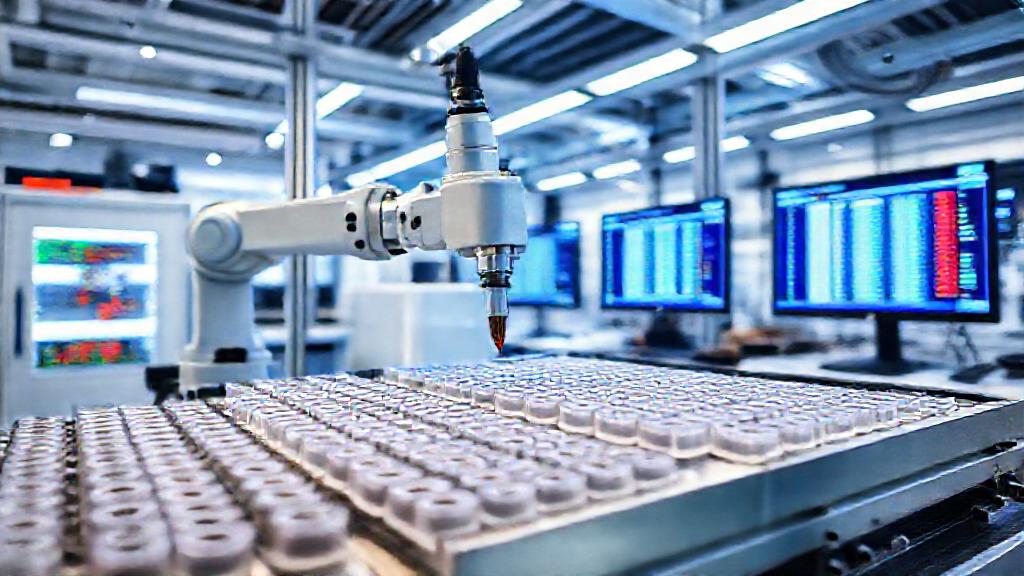
High-throughput screening (HTS) systems in 2026 leverage ultra-miniaturization and advanced detection technologies. These platforms process millions of compounds daily against biological targets with unprecedented speed.
Modern HTS integrates AI-driven data analysis to identify hits with higher accuracy. Real-time decision-making during screening reduces false positives and accelerates lead optimization.
Key features of 2026 HTS systems include:
- Ultra-high-density microplates for reduced reagent consumption
- Integrated label-free detection methods for physiological relevance
- AI-powered image analysis for phenotypic screening
- Modular automation for seamless workflow integration
These systems enable researchers to screen larger chemical libraries efficiently, making hit identification faster and more cost-effective.
The Role of Advanced Analytical Instruments in Drug Development
Advanced analytical instruments are essential for drug development. They provide critical data on compound identity, purity, and interactions, enabling hit validation and lead optimization.
Key instruments for 2026 include:
- High-resolution mass spectrometry for accurate molecular weight and structural characterization.
- Nuclear magnetic resonance (NMR) spectroscopy for three-dimensional structural determination.
- High-performance liquid chromatography (HPLC) for pure compound separation and quantification.
- Surface plasmon resonance for real-time binding kinetics and affinity measurement.
- Ion mobility spectrometry for enhanced separation based on molecular shape and size.
- X-ray crystallography for absolute structural confirmation.
These tools streamline decision-making, reduce risk, and accelerate the drug development timeline.
How AI and Machine Learning Enhance Drug Discovery Equipment in 2026
AI and machine learning transform drug discovery equipment by embedding predictive algorithms directly into instruments. High-throughput screening systems now leverage AI to prioritize hit compounds in real time.
Advanced analytical tools use ML models to detect subtle molecular patterns, reducing false positives and false negatives.
Automation platforms integrate AI decision-making for adaptive workflow management.
This synergy accelerates data processing, improves accuracy, and shortens discovery timelines. In 2026, AI-driven equipment enables more efficient compound identification and predictive maintenance, boosting research productivity.
Automation and Robotics for Streamlining Research Workflows in 2026
Automation and robotics revolutionize drug discovery in 2026. They handle repetitive tasks with precision, increasing throughput and reducing errors.
Essential equipment includes liquid handlers, microplate processors, and robotic arms. Modular platforms allow reconfiguration for high-throughput screening and compound management.
In cell culture and bioprocessing, robotic incubators and colony pickers streamline operations. Advanced robotics operate 24/7, accelerating hit identification and lead optimization.
AI integration enables adaptive protocols and real-time scheduling. AI-driven automation dynamically adjusts parameters, optimizing outcomes.
Flexible automation is essential for staying competitive.
Cell Culture and Bioprocessing Equipment for Biopharmaceutical Innovations in 2026
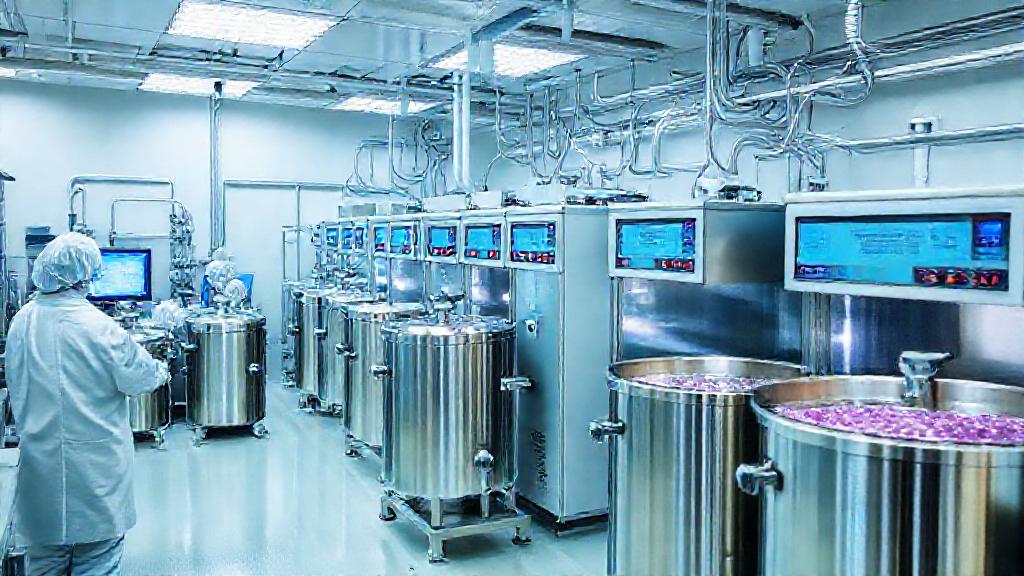
Cell culture and bioprocessing equipment continue to evolve to support the growing demand for biologics and cell therapies in 2026. Advanced bioreactors with real-time monitoring capabilities enable precise control over critical parameters like pH, dissolved oxygen, and nutrient levels.
Single-use technologies are becoming standard, reducing cross-contamination risk and speeding up changeover between batches. Automated cell culture systems and continuous bioprocessing platforms further enhance productivity and consistency.
Investing in scalable, flexible equipment is essential for laboratories aiming to accelerate biopharmaceutical innovations from research to clinical production.
Critical Factors for Selecting Drug Discovery and Research Equipment for 2026
Choosing equipment for drug discovery in 2026 requires careful consideration of scalability, precision, and interoperability. Keep these key factors in mind:
- Scalability to support workflows from research to production
- Precision and sensitivity for accurate, reproducible data
- Integration with automation and robotics for efficiency
- Compatibility with AI and machine learning platforms
- Adherence to regulatory standards like FDA and GLP
Prioritizing these aspects will ensure your lab is equipped for the future of pharmaceutical research.
Emerging Trends and Technologies Shaping Drug Discovery Equipment in 2026
Emerging trends in 2026 are reshaping drug discovery equipment. Agentic AI platforms now autonomously conduct multi-omics analysis, target discovery, and antibody optimization, cutting research timelines significantly.
Lab-on-a-chip technology miniaturizes assays to nanoliter volumes, drastically reducing reagent consumption and screening costs.
Cloud-connected instruments facilitate real-time data sharing and remote operation across international teams.
Continuous bioprocessing tools enable flexible, scalable production of biologics. These innovations improve reproducibility and data integrity.
Faster adoption across the industry is decreasing costs and accelerating the delivery of new therapies. These technologies are defining the future of pharmaceutical research and development.
As the 2026 landscape unfolds, drug discovery and pharmaceutical research equipment continues to evolve at a rapid pace. Key trends like AI integration, automation, and advanced analytical tools are reshaping labs worldwide.
Selecting the right equipment is critical for accelerating development and maintaining competitive advantage.
Stay ahead of the curve by evaluating your lab’s current and future needs.
Partner with PalicoBio to access the latest technologies and expert guidance. Invest in the tools that will define the next generation of therapeutics.