

Cell Culture Equipment Checklist for 2026 Research Labs
Equipping a cell culture lab for 2026 requires more than just buying the latest instruments. With advances in automation, reproducibility, and regulatory standards, researchers must carefully plan every purchase.
A comprehensive equipment checklist ensures you invest in the right tools—from biosafety cabinets to cryo-storage—without costly oversights.
This guide outlines essential equipment categories, key features to consider, and budget-smart strategies to build a future-ready cell culture facility.
Whether you are upgrading an existing lab or starting from scratch, this checklist will help you prioritize and make informed decisions for cutting-edge research.
Why Your 2026 Research Lab Needs a Comprehensive Equipment Checklist
A comprehensive equipment checklist ensures your lab is fully operational from day one. Without one, you risk costly delays and compromised experiments.
Planning for 2026 means anticipating new technologies and stricter regulations. A detailed checklist helps you budget accurately and avoid last-minute purchases.
It also streamlines training and maintenance schedules. Every team member knows what equipment is available and how to use it properly.
This transparency boosts productivity and reduces downtime.
Biosafety Cabinets: The Cornerstone of Aseptic Technique in Modern Labs
Biosafety cabinets are the foundation of aseptic technique in cell culture. They use HEPA-filtered airflow to protect both users and cultures from contamination.
For a 2026-ready lab, choose cabinets with Type II A2 or B2 classification.
Energy-efficient motors and digital interfaces enhance usability and compliance.
Integrated monitoring systems allow remote supervision and data logging. Regular certification per NSF/ANSI 49 ensures reliable performance.
Proper training and maintenance extend the cabinet’s life. A well-chosen BSC minimizes risks and supports reproducible outcomes.
This equipment is a vital investment for any modern facility. Plan for adequate workspace and proper installation.
CO2 Incubators: Maintaining Optimal Growth Conditions for Cell Cultures
CO2 incubators are essential for maintaining stable growth conditions in cell culture. They regulate temperature, CO2 levels, and humidity to support healthy cell proliferation.
When selecting a CO2 incubator for your 2026 lab, prioritize the following features:
- Precise CO2 and temperature control with fast recovery after door openings
- HEPA filtration and copper-lined interiors for contamination prevention
- Automated decontamination cycles (e.g., 180°C sterilization)
- Integrated data logging and remote monitoring for continuous oversight
Investing in a high-quality CO2 incubator safeguards your cell lines and ensures reproducible experimental outcomes.
Microscopes and Imaging Systems for Accurate Cell Observation and Analysis
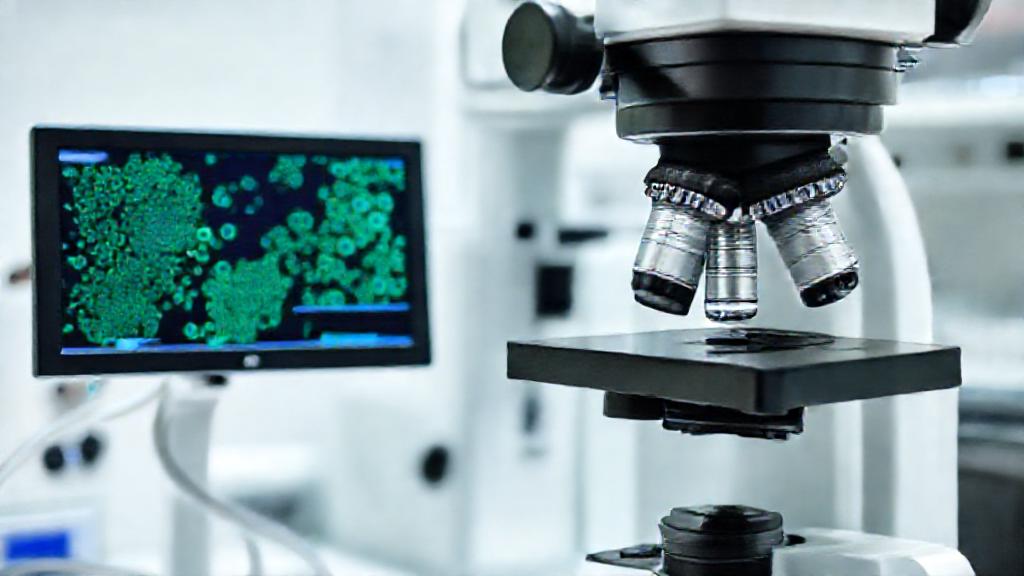
Inverted microscopes are the workhorse for daily cell culture monitoring. They allow you to check confluency and morphology without opening the flask.
For deeper analysis, fluorescence and confocal systems reveal intracellular processes in real time.
Automated imaging platforms with incubation chambers enable long-term live-cell studies.
Key features to look for include phase contrast, high-resolution cameras, and multi-channel fluorescence. Invest in reliable software for image analysis and quantitation.
Proper training ensures consistent, reproducible results across users. These tools elevate your cell culture research from basic observation to comprehensive cellular understanding.
Centrifuges for Efficient Cell Separation and Harvesting Processes
Centrifuges enable efficient cell pelleting, debris separation, and supernatant harvesting. Choose models with high g-force and precise temperature control for 2026 labs.
Match RCF to cell types, like 300-500 ×g for mammalian cells. Use swing-bucket rotors for delicate cells and fixed-angle for throughput.
Refrigeration maintains 4°C to ambient for sample integrity. Capacity accommodates microcentrifuge tubes to 1 L bottles.
Prioritize compact, low-noise designs for comfortable daily use. Selecting the right centrifuge boosts reproducibility and efficiency.
Automated Liquid Handlers and Cell Counters to Boost Reproducibility
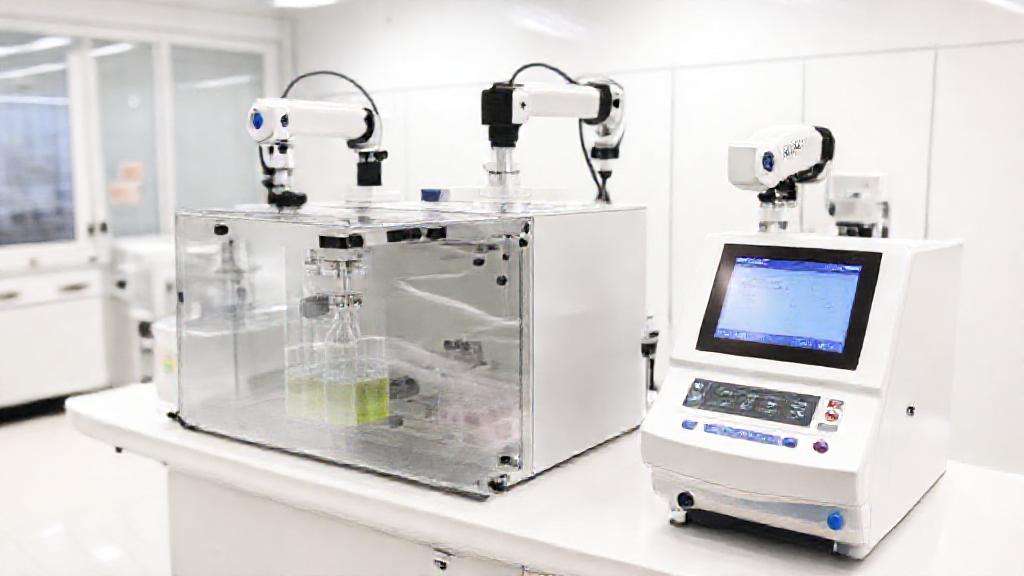
Automated liquid handlers eliminate pipetting inconsistencies that compromise reproducibility. They dispense precise volumes every time, reducing human error and ensuring consistent reagent addition.
Cell counters provide objective, unbiased cell counts and viability data, removing operator subjectivity. These tools are fundamental for data reliability.
When selecting automation equipment, consider these features to maximize your investment:
- High precision and accuracy across the required volume range
- Compatibility with various plate and vessel formats
- Seamless data export and integration with lab informatics
- Scalable throughput to accommodate growing experimental demands
Investing in these tools directly enhances reproducibility in cell culture workflows.
Cold Storage Solutions: Freezers and Cryo-Tanks for Sample Preservation
Reliable cold storage preserves cell lines, reagents, and samples for years. Your future-ready 2026 lab requires a comprehensive freezing and cryopreservation strategy that ensures sample integrity and regulatory compliance.
Essential equipment includes:
- Ultra-low -80°C freezers for long-term storage of viable cells and sensitive reagents
- Standard -20°C freezers for enzymes, antibiotics, and media components
- Liquid nitrogen cryo-tanks with automated filling to maintain viable cell banks
- Continuous temperature monitoring with 24/7 remote alerts for every unit
Each storage platform must be supported by backup power, inventory management software, and routine maintenance schedules to prevent catastrophic loss and ensure reliable access to your research assets.
Monitoring and Data Logging Systems for 24/7 Culture Environment Control
Manual monitoring is no longer sufficient for the demands of 2026 research. Automated data logging systems provide continuous tracking and immediate alerts for any deviation.
They also support compliance and reproducibility. A comprehensive system typically includes:
- Multi-parameter sensors for CO2, O2, temperature, humidity, and pH
- Cloud-based platform with secure data storage and remote alerting
- Automated calibration and validation routines to maintain accuracy
- Integration with LIMS or electronic lab notebooks for seamless data flow
- Redundant sensors and backup power for uninterrupted operation
Such a system provides 24/7 oversight and a complete audit trail for every experiment.
Final Checklist and Budget Planning for a Future-Ready Cell Culture Lab
Finalize your lab setup with a comprehensive checklist and realistic budget. Prioritize these core equipment categories:
- Biosafety cabinets and CO2 incubators for aseptic culture
- Microscopes and centrifuges for observation and processing
- Automated liquid handlers and cell counters for reproducibility
- Cold storage and monitoring systems for sample integrity
Allocate funds for installation, calibration, and training. Build in a 10–15% contingency for unexpected upgrades. Regularly review the checklist as technology evolves to keep your 2026 lab future-ready.
Equipping a cell culture lab for 2026 demands strategic selection of reliable equipment to ensure reproducibility and efficiency. This checklist has covered the core categories: biosafety cabinets, CO2 incubators, microscopes, centrifuges, automated handlers, cold storage, and monitoring systems.
Each component contributes to a seamless workflow and high-quality outcomes.
To stay ahead in research, invest in proven technologies and plan your budget wisely.
Ready to equip your lab? Explore our curated product range and get expert advice for a future-ready setup.