
The human body is akin to a finely tuned orchestra, relying on the harmonious interplay of its components, and when this balance is disrupted by cancer, the melody of health is lost.
Immunotherapy and gene editing aim to restore this harmony by leveraging the body’s own immune system and genetic blueprint.
By harnessing the power of the immune system to recognize and attack cancer cells, and using gene editing tools like CRISPR to precision-target the genetic mutations driving cancer, these innovative approaches offer a beacon of hope in the relentless pursuit of a cancer-free world.
Revolutionizing Cancer Treatment With Gene Editing And Immunotherapy Approaches
Gene editing and immunotherapy are transforming the landscape of cancer treatment, offering new hope to patients worldwide.
Researchers are exploring innovative combinations of these approaches to enhance their effectiveness.
This synergy has the potential to create personalized, targeted therapies that can selectively destroy cancer cells while sparing healthy tissue, representing a significant shift in the fight against cancer.
- Gene editing technologies like CRISPR are being used to selectively kill cancer cells by disrupting genes that are specific to cancer.
- Immunotherapy is being harnessed to enhance the body’s natural defenses against cancer, allowing the immune system to recognize and attack tumor cells more effectively.
- By combining these approaches, researchers aim to create hybrid therapies that can adapt to the unique characteristics of each patient’s cancer, offering a more personalized and targeted approach to treatment.
CRISPR-Cas9 Technology Enhances Precision Medicine In Oncology And Gene Therapy
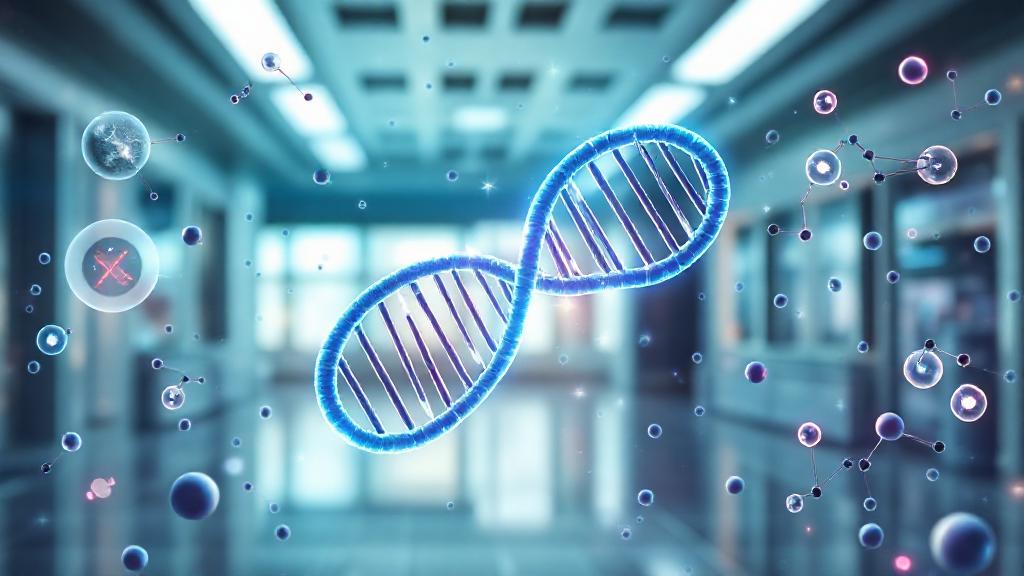
CRISPR-Cas9 technology has the potential to precisely target and eliminate cancer cells, or correct inherited genetic disorders that have plagued families for generations.
This innovative tool allows for precise editing of genes, holding promise for revolutionary advances in oncology and gene therapy.
As researchers delve into the world of precision medicine, they are exploring the possibilities of CRISPR-Cas9 and its implications for human health.
Immunotherapy And Gene Editing Combine To Overcome Tumor Heterogeneity Challenges
The use of CRISPR gene editing to enhance cancer immunotherapy has shown significant promise in overcoming the challenges posed by tumor heterogeneity.
By combining immunotherapy with gene editing, scientists can create more effective and targeted therapies that adapt to the unique characteristics of each patient’s tumor.
For instance, a patient with leukemia underwent a successful treatment using gene-edited T cells, which led to a significant reduction in cancer cells.
CAR-T Cell Therapy Shows Promising Results In Hematologic Malignancies Treatment
CAR-T cell therapy has emerged as a beacon of hope in the treatment of hematologic malignancies, with studies demonstrating remarkable response rates and durable remissions in patients with relapsed or refractory diseases.
This innovative approach involves extracting a patient’s T cells, genetically modifying them to recognize and target cancer cells, and reinfusing them back into the body.
The therapy has shown significant promise in treating various types of blood cancers, including acute lymphoblastic leukemia, diffuse large B-cell lymphoma, and multiple myeloma.
Gene Editing Techniques Like Base Editing And Prime Editing Offer Safer Alternatives
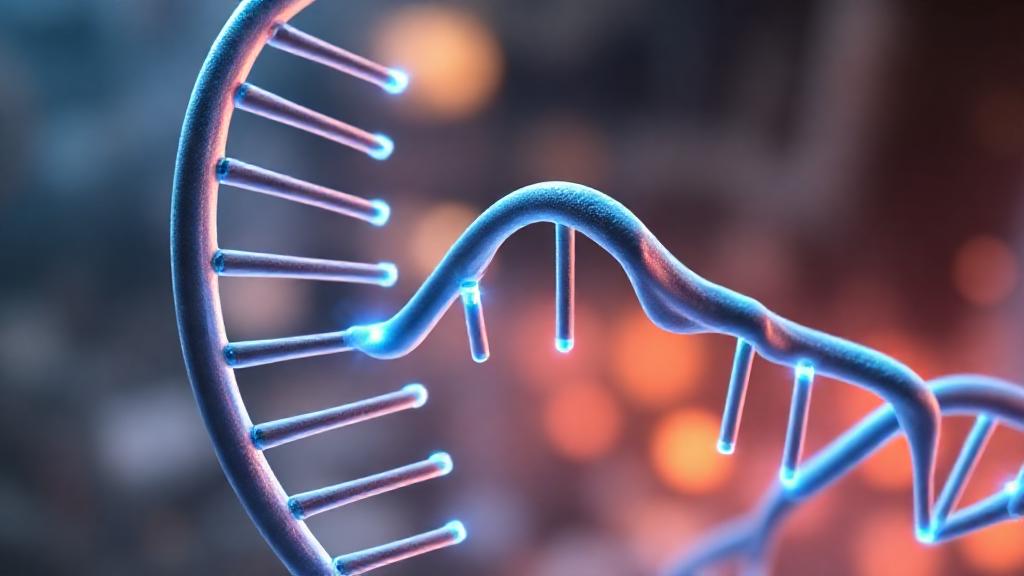
Gene editing has revolutionized the field of genetics, allowing for precise modifications to the genome.
Techniques like base editing and prime editing have emerged as safer alternatives to traditional gene editing methods, offering improved accuracy and reduced off-target effects.
These approaches enable the direct, irreversible conversion of one DNA base to another without making a double-stranded break in the genome, thereby minimizing the risk of unintended mutations.
Overcoming Drug Resistance With CRISPR System And Immunotherapy Strategies Combined
Combining CRISPR and immunotherapy may revolutionize cancer treatment.
- Targeting specific gene mutations to prevent drug resistance
- Enhancing immune cell function to recognize and attack cancer cells
- Inhibiting tumor growth by disrupting key signaling pathways
- Restoring cancer cell sensitivity to existing therapies
- Developing personalized treatment plans based on individual patient profiles
Exosome-Mediated Delivery Systems Enhance Gene Editing Component Delivery Efficiency
The use of exosomes as delivery systems has revolutionized the field of gene editing.
Gene editing components — like CRISPR-Cas9 — can be efficiently delivered to specific cells, reducing off-target effects.
Exosomes can cross biological barriers — such as the blood-brain barrier — with ease, making them ideal for delivering gene editing components to hard-to-reach areas.
Integration Of Gene Therapy With Immuno-Oncology Represents A Promising Cancer Treatment
The combination of gene therapy and immuno-oncology has the potential to revolutionize the field of oncology, offering new hope for patients with previously incurable cancers.
Gene therapy can be used to modify immune cells to recognize and attack cancer cells more effectively, while immuno-oncology can amplify the immune response to target residual cancer cells.
CRISPR-Based Therapies And Immunotherapy Combine To Enhance Cancer Treatment Outcomes
The integration of CRISPR-based therapies and immunotherapy has revolutionized the field of cancer treatment, offering unprecedented possibilities for targeted and personalized interventions.
By leveraging the precision of CRISPR technology to selectively modify genes involved in cancer progression, researchers can enhance the efficacy of immunotherapies, which stimulate the immune system to recognize and attack cancer cells.
The future of cancer treatment hangs in the balance as gene editing and immunotherapy converge to create a revolutionary new paradigm.
As we look to the future of cancer treatment, the innovative approaches of immunotherapy and gene editing hold immense promise.
The synergy between these two approaches has the potential to revolutionize the field of oncology, offering new hope to patients and their families.
With ongoing research and advancements, we can envision a future where cancer is no longer a formidable foe, but a manageable condition.