
Cell Culture and Bioprocessing Trends in 2026
Cell culture and bioprocessing are evolving faster than ever. By 2026, labs must adapt to automation, single-use systems, and real-time monitoring.
These shifts promise higher yields and tighter quality control. But they also demand new equipment and strategies.
This guide explores the key trends shaping the field. It covers innovative tools, regulatory updates, and sustainable practices.
Whether you manage a research lab or a production facility, staying ahead matters. Understanding these developments is essential for competitive success.
Automation and Single-Use Technologies Define 2026 Cell Culture Trends
Automation and single-use technologies reshape 2026 cell culture workflows.
They reduce manual work and improve reproducibility.
Single-use bioreactors and tubing minimize cross-contamination risks.
They also shorten turnaround times between production runs.
Automated systems handle seeding, feeding, sampling, and harvesting.
This integration supports scale-up from development to commercial manufacturing.
Key Equipment Innovations for Cell Culture and Bioprocessing in 2026
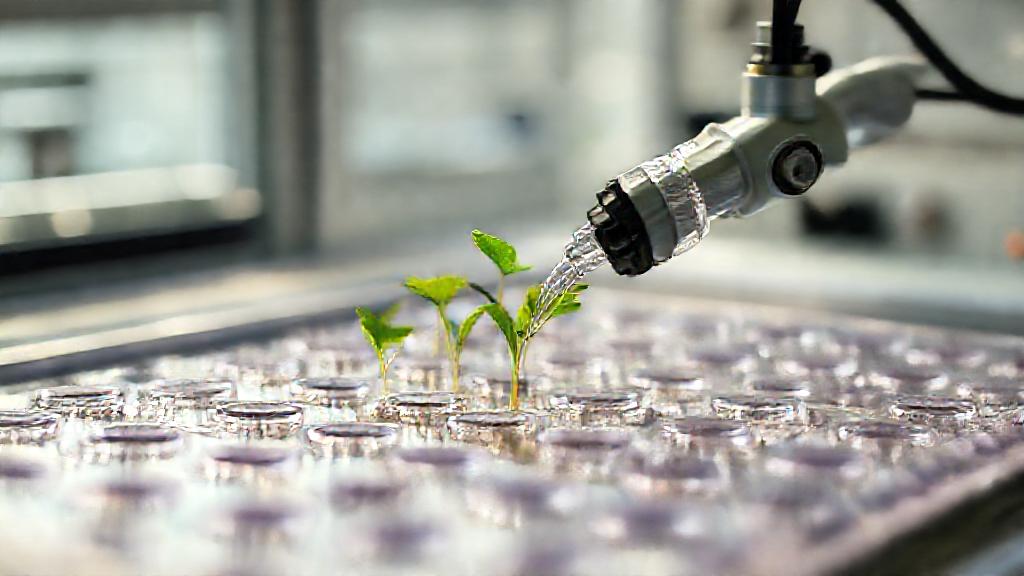
Equipment innovation in 2026 centers on smart, connected systems. Sensors, automation, and data are embedded in hardware.
This reduces manual handling and improves batch reproducibility.
Key upgrades include single-use bioreactors with integrated sensors. Shaker incubators have automated CO2, temperature, and humidity control.
Potentiostats enable metabolic profiling; advanced data platforms link equipment for process-wide visibility.
Together, these tools enable faster development and reliable production.
Real-time monitoring and adaptive control are essential for competitive bioprocessing.
How Electrochemical Workstations Enable Real-Time Bioprocess Monitoring in 2026
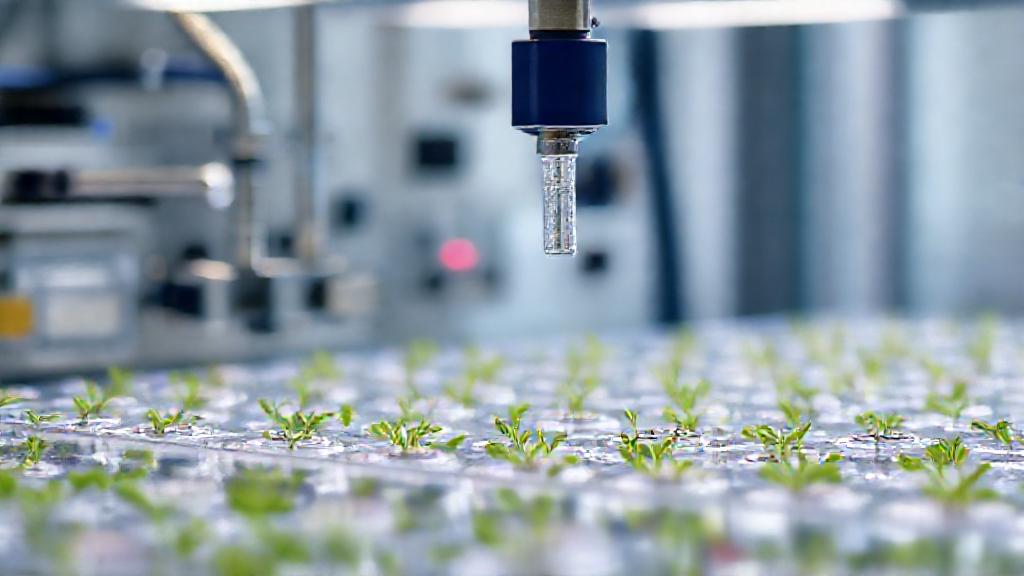
Electrochemical workstations now serve as central hubs for real-time bioprocess monitoring. They connect seamlessly with in-line sensors to track critical parameters.
These systems detect glucose, lactate, and dissolved oxygen without sampling. Live data streams enable immediate adjustments to feeding and pH control.
Key capabilities include:
- Multi-channel potentiostat support for parallel bioreactor monitoring
- High-sensitivity amperometric and voltammetric measurements
- Automated data logging for process documentation
Bioprocess engineers gain tighter control over cell metabolism. This reduces batch variability and accelerates scale-up decisions.
By 2026, electrochemical monitoring becomes standard practice in advanced cell culture facilities.
Selecting the Optimal Shaker Incubator for Scalable Cell Culture Production
Choosing the right shaker incubator directly impacts yield and reproducibility. Start by defining your vessel types and working volumes.
Evaluate critical specifications before purchase:
- Temperature range and uniformity across the platform
- CO2 and humidity control for mammalian cultures
- Shaking speed range and orbital diameter
- Stackable capacity for future scale-up
Match agitation to your cell line’s shear sensitivity. Look for systems with remote monitoring and data logging.
In 2026, integrated sensors can flag deviations in real time. Select a model that balances performance with operational simplicity.
This approach ensures seamless transitions from benchtop to pilot scale.
Potentiostat Applications in Advanced Bioprocessing: Trends to Watch in 2026
Potentiostats are becoming essential tools for real-time bioprocess monitoring. They enable precise electrochemical analysis of culture media and metabolic activity. This capability supports faster decision-making in cell culture production.
Advanced workstations now integrate with automated sampling systems. This integration reduces manual intervention while improving data accuracy. Bioprocess teams can track critical parameters continuously without disturbing cultures.
Key potentiostat applications in 2026 include:
- Monitoring dissolved oxygen and nutrient consumption
- Detecting metabolic shifts early in production
- Validating bioreactor performance during scale-up
- Supporting process analytical technology (PAT) frameworks
Continuous Bioprocessing Gains Momentum: A 2026 Cell Culture Perspective
Continuous bioprocessing replaces discrete batch cycles with integrated, uninterrupted workflows. This shift promises higher yields, lower costs, and more consistent product quality. By 2026, upstream and downstream steps are increasingly linked in a single streamlined operation.
Adoption is accelerating due to advances in perfusion culture and process analytical technology. Real-time monitoring enables tighter control over critical parameters. Companies also benefit from reduced facility footprints and lower water usage.
Key drivers include:
- Improved cell retention systems for long-term perfusion
- Integrated purification trains that minimize manual handling
- Digital twins and automation for predictive process control
These developments position continuous processing as a core strategy for next-generation cell culture.
Regulatory and Quality Considerations Shaping Cell Culture Trends in 2026
Regulatory expectations in 2026 focus on patient safety and product consistency. Agencies emphasize Quality by Design throughout upstream and downstream workflows.
Process Analytical Technology enables real-time quality assurance. Automated systems reduce human error and improve compliance.
Key areas demanding attention:
- Data integrity and audit trails across digital platforms
- Risk-based approaches to contamination control
- Adapting to updated ICH Q13 continuous manufacturing guidance
- Consistency in raw material and cell banking documentation
Companies embedding these practices into their pipeline will face fewer approval delays. Early alignment with regulatory bodies accelerates market access.
Sustainable Cell Culture: Reducing Waste and Energy in Bioprocessing Operations
Sustainability has moved from an option to a requirement in modern bioprocessing. Facilities are actively seeking ways to minimize environmental impact without compromising product quality.
Facilities are now adopting several key strategies to reduce their environmental footprint:
- Switching to single-use technologies that reduce water and cleaning agent consumption.
- Optimizing culture media to lower raw material waste.
- Implementing energy recovery systems for HVAC and process equipment.
- Using in-line sensors to reduce sampling waste and improve efficiency.
These actions not only protect the environment but also cut operational costs. As 2026 approaches, greener operations will become a competitive advantage.
Data-Driven Strategies to Optimize Cell Culture and Bioprocessing Outcomes
Data-driven strategies are reshaping cell culture and bioprocessing operations. By combining process analytical technology with machine learning, teams gain deep visibility into performance.
These tools enable early detection of deviations and smarter decisions. This shift moves bioprocessing from reactive adjustments to proactive control.
Key approaches for 2026 include:
- Deploying PAT sensors for real-time metabolite tracking
- Applying AI algorithms to forecast culture performance
- Leveraging historical batch data for continuous improvement
These methods reduce variability, cut costs, and speed scale-up. Companies that harness data gain a measurable competitive edge. This advantage becomes crucial as process complexity grows.
The cell culture landscape in 2026 demands agility, precision, and sustainability. Automation, single-use systems, and continuous processing are no longer optional.
They are essential for competitive biomanufacturing.
Real-time monitoring tools and data-driven strategies empower faster, smarter decisions.
Sustainable practices reduce waste while maintaining quality. Regulatory alignment remains critical throughout.
Now is the time to evaluate your workflows. Invest in scalable equipment and integrated analytics.
Partner with experts who understand these evolving trends. Position your facility for success in the next era of bioprocessing.