
Laboratory Centrifuges for Cell Culture and Biopharma Research in 2026
Laboratory centrifuges remain the quiet workhorses of cell culture and biopharmaceutical research. In 2026, they separate cells, proteins, and viral vectors with a precision that directly shapes downstream yield and experimental reproducibility.
As workflows shift toward continuous bioprocessing and personalized medicine, centrifuge selection influences data quality as much as throughput. This guide covers selection criteria, refrigeration, rotor configurations, safety protocols, and the automation trends redefining modern biopharma laboratories.
Essential Laboratory Centrifuge Selection Criteria for Cell Culture and Biopharma Research in 2026
Selecting a centrifuge for cell culture and biopharma work demands careful attention to protocol demands and sample sensitivity.
In 2026, buyers should weigh these factors before committing budget.
- Maximum relative centrifugal force for reliable mammalian cell pelleting
- Refrigeration range covering -10°C to +40°C
- Aerosol-tight sealed lids for biosafety containment
- Capacity aligned with daily throughput and tube formats
- Documented calibration records for regulated environments
- Compatible rotors for conical tubes, plates, and microtubes
Prioritizing these criteria protects sample integrity and supports reproducible compliant results across every research program.
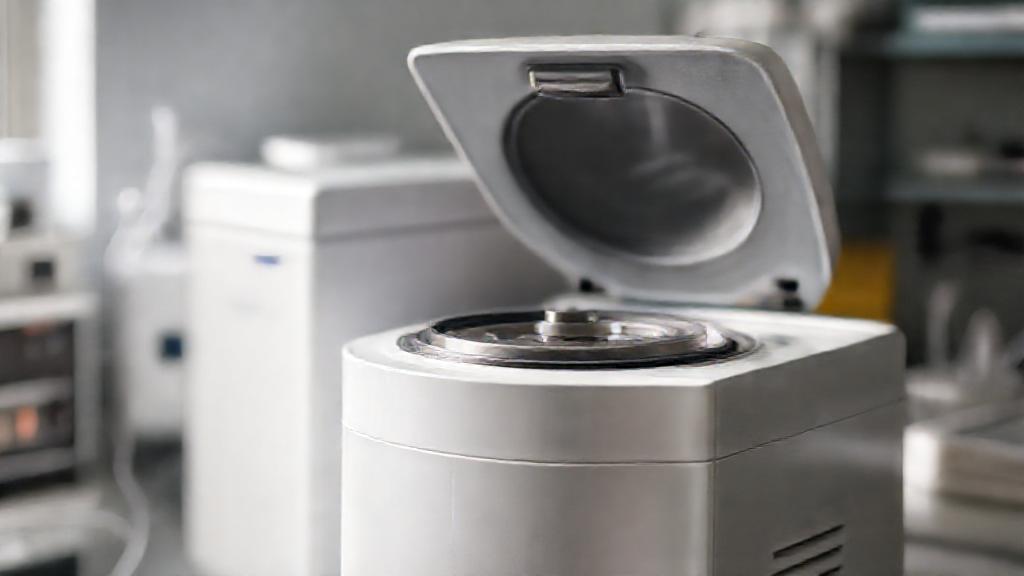
How Temperature Control and Refrigeration Improve Centrifuge Performance for Sensitive Cell Samples
Centrifugal force generates heat at the rotor, and even modest warming compromises delicate biological samples. Temperature drift during a run is one of the most overlooked threats to sample integrity.
- Maintaining 4°C preserves enzyme activity and protein conformation during separation.
- Pre-cooled chambers protect mammalian cell viability and reduce stress-induced apoptosis.
- Stable low temperatures limit microbial growth and aerosol-related contamination risks.
Refrigerated models hold setpoints within ±1°C throughout long, high-speed runs. That consistency keeps results reproducible across replicates, operators, and instruments.
Condensation control and heated lids prevent sample dilution or osmotic shifts.
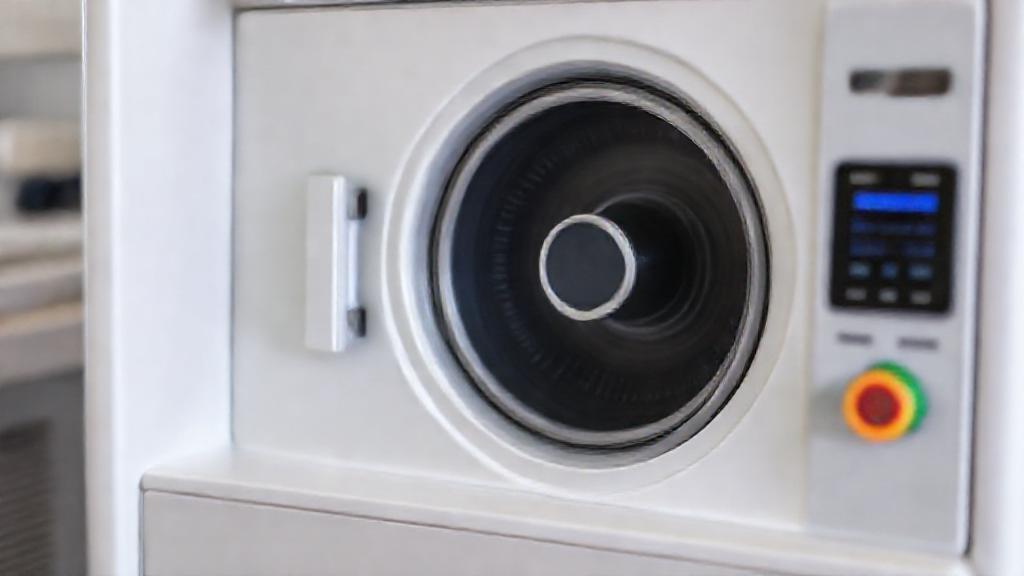
Choosing the Right Rotor and Tube Configurations for Mammalian Cell Culture Centrifugation
Rotor selection depends on sample volume, vessel geometry, and tolerated centrifugal force. Swing-bucket rotors best suit pelleting intact mammalian cells in conical tubes.
Matching the rotor to your workflow prevents cell lysis and uneven pellets.
- Swing-bucket rotors for gentle pelleting of viable cells in conical tubes
- Fixed-angle rotors for density gradients and subcellular fractionation
- Sealed, aerosol-tight lids when processing biohazardous cultures
- Adapters matched to tube dimensions and maximum fill volumes
Calculate RCF at the tube’s mid-point rather than relying on RPM. Verify rotor ratings and k-factor data before every high-value run.
Key Applications of Laboratory Centrifuges in Biopharmaceutical Production and Cell Harvesting
Centrifuges anchor nearly every stage of biopharmaceutical production, from harvest through final polishing. Their role is simple: separate what matters from what does not.
Common applications in modern bioprocess workflows include:
- Harvesting CHO and HEK293 cells from bioreactor cultures
- Clarifying lysates and removing cellular debris before chromatography
- Pelleting precipitated proteins, DNA, and viral vectors
- Concentrating samples and exchanging buffers via ultrafiltration
Consistency matters more than raw speed in regulated production. Reproducible pelleting protects yield and keeps downstream purification predictable.
Understanding Low-Speed, High-Speed, and Ultracentrifuges for Modern Biopharma Laboratory Workflows
Choosing between low-speed, high-speed, and ultracentrifuges shapes every downstream biopharma result.
Modern workflows depend on matching centrifuge class to sample volume, rotor geometry, and separation goal.
- Low-speed centrifuges (up to 6,000 rpm) gently pellet mammalian cells and fragile suspensions.
- High-speed models (up to 25,000 rpm) clarify lysates and concentrate proteins efficiently.
- Ultracentrifuges exceed 100,000 x g, isolating organelles, viruses, and exosomes for advanced studies.
Selecting correctly protects sample integrity while balancing throughput, rotor compatibility, and daily operating cost.
Each tier serves distinct cell culture and purification tasks.
Maintenance, Calibration, and Safety Protocols to Extend Laboratory Centrifuge Lifespan and Accuracy
Routine maintenance protects sample integrity, operator safety, and instrument accuracy in busy cell culture laboratories.
- Wipe rotor chambers with 70% ethanol after every run to prevent aerosol contamination.
- Inspect seals, O-rings, and tubes for cracks before each high-speed spin.
- Verify speed and temperature calibration annually against certified reference instruments.
- Log rotor hours and retire components at the manufacturer’s specified cycle limit.
- Balance tubes by weight and never exceed the rotor’s rated maximum speed.
Scheduled service and documented calibration keep results reproducible across long biopharma studies. Following manufacturer guidance and institutional safety policies prevents costly downtime.
Regulatory Compliance and Quality Standards for Centrifuges in Cell Culture and Biopharma Labs
Centrifuges used in regulated biopharma workflows must satisfy documented quality and safety expectations. Manufacturers aligned with ISO 13485 and ISO 9001 simplify supplier qualification reviews.
Compliance begins with manufacturer certifications and continues through validated on-site performance.
Key compliance elements typically include:
- IQ/OQ/PQ documentation for installation, operation, and performance
- 21 CFR Part 11 compliant audit trails and user access controls
- Traceable calibration certificates for speed, temperature, and timers
- Aerosol containment and rotor integrity testing per biosafety guidance
Retain service records, deviation reports, and calibration logs for every audit.
Advantages of Refrigerated Centrifuges for Protein, DNA, and Cell Sample Integrity
Refrigerated centrifuges maintain chamber temperatures near 4°C throughout the run, shielding heat-sensitive biomolecules from thermal degradation.
That stability matters most during protein purification, DNA extraction, and mammalian cell harvesting. Three benefits stand out:
- Preserved enzymatic activity and fragile protein tertiary structure
- Reduced protease and nuclease activity that fragments samples
- Higher post-spin viability for live cell cultures
Precise temperature control also limits condensation and sample evaporation during extended high-speed runs. Cold air circulation absorbs rotor heat before it reaches the tube wall, keeping recovery yields consistent and reproducible.
Emerging Centrifuge Technologies and Automation Trends Shaping Biopharma Research by 2026
Centrifuge design in 2026 leans toward automation, connectivity, and smaller footprints for crowded cell culture suites. Instrument makers are embedding intelligence directly into benchtop and floor-standing units.
- Automated rotor recognition and imbalance detection reduce operator error during cell harvesting runs.
- Integrated temperature and vibration sensors stream real-time data to laboratory information management systems.
- Continuous-flow and single-use rotor systems support scalable biopharmaceutical production workflows.
These advances shorten centrifugation time and improve reproducibility across mammalian cell culture. For biopharma teams, the payoff is fewer failed batches and tighter process control.
Choosing the right laboratory centrifuge in 2026 means balancing temperature, rotor, and compliance needs. Refrigerated models protect sensitive mammalian cells, proteins, and DNA throughout every spin.
Regular calibration, safety training, and maintenance extend instrument lifespan and safeguard reproducibility. Emerging automation and smarter controls will further streamline biopharma workflows by 2026.
Review your cell culture and harvesting protocols today. Partner with a trusted supplier to match the ideal centrifuge to your research goals.