
Minus 80 C Ultra Low Temperature Freezers for Biobanks in 2026
Biobanks safeguard irreplaceable biospecimens, and their viability depends on reliable cold storage. In 2026, minus 80 °C ultra low temperature freezers remain the backbone of that promise.
Modern biobanking demands more than raw cooling power. It requires documented temperature uniformity, energy-efficient cascade systems, and remote diagnostics that protect samples around the clock.
This guide examines the features, validation protocols, and procurement decisions shaping ultra low freezer selection. Whether you manage a hospital repository or a translational research core, the choices you make today determine sample integrity for decades.
Why Minus 80 C Ultra Low Temperature Freezers Matter for Modern Biobanks
Biobanks safeguard irreplaceable biospecimens, from DNA and RNA to serum, tissue, and viable cells. Reliable minus 80 C storage preserves molecular integrity across decades of research.
Ultra low temperature freezers slow enzymatic degradation and microbial growth, keeping biomarkers stable for translational studies and clinical trials. Without consistent cold chains, precious cohorts lose scientific value.
- Serum and plasma aliquots for biomarker discovery
- DNA and RNA extracts for genomic sequencing
- Tissue and cell pellets for downstream assays
Modern biobanks also face accreditation audits requiring documented temperature stability. A dependable minus 80 C freezer is core infrastructure, not a commodity purchase.
Key Features to Evaluate in Minus 80 C Freezers for 2026 Biobanking
Selecting an ultra low freezer in 2026 means balancing sample security against operating cost. Buyers should verify core specifications before comparing quotations.
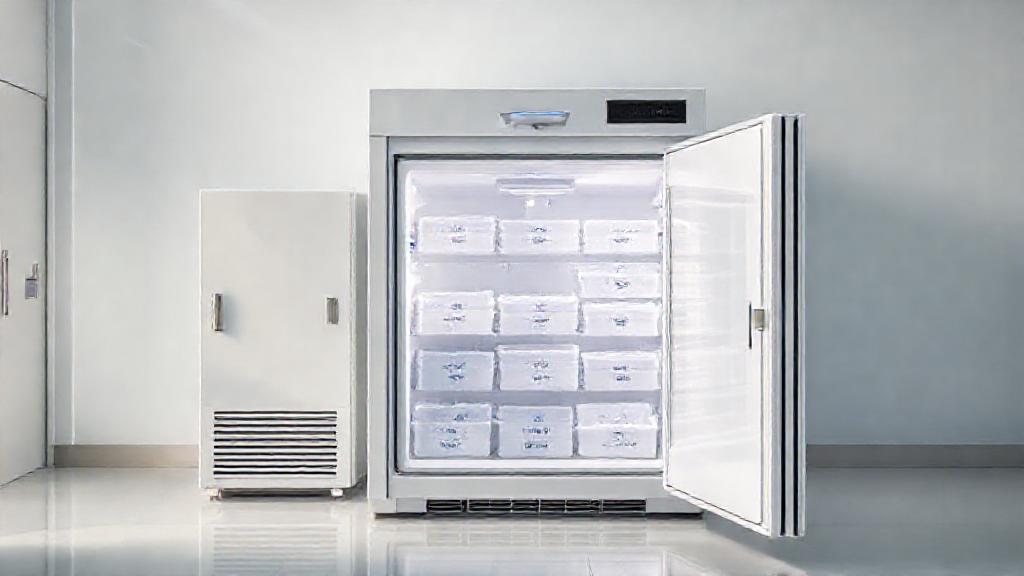
- Dual independent cascade compressors using natural refrigerants
- Vacuum insulation panels rated for long-term thermal drift
- Stainless steel inner chambers with lockable, gasketed doors
- Integrated data logging with USB and Ethernet export
- Adjustable rack systems sized for standard 2-inch cryoboxes
Heated door seals and inner doors reduce frost buildup while protecting contents during frequent access.
Confirm every feature against your biobank’s accession volume and power capacity.
Temperature Uniformity and Recovery Times in Ultra Low Freezer Performance
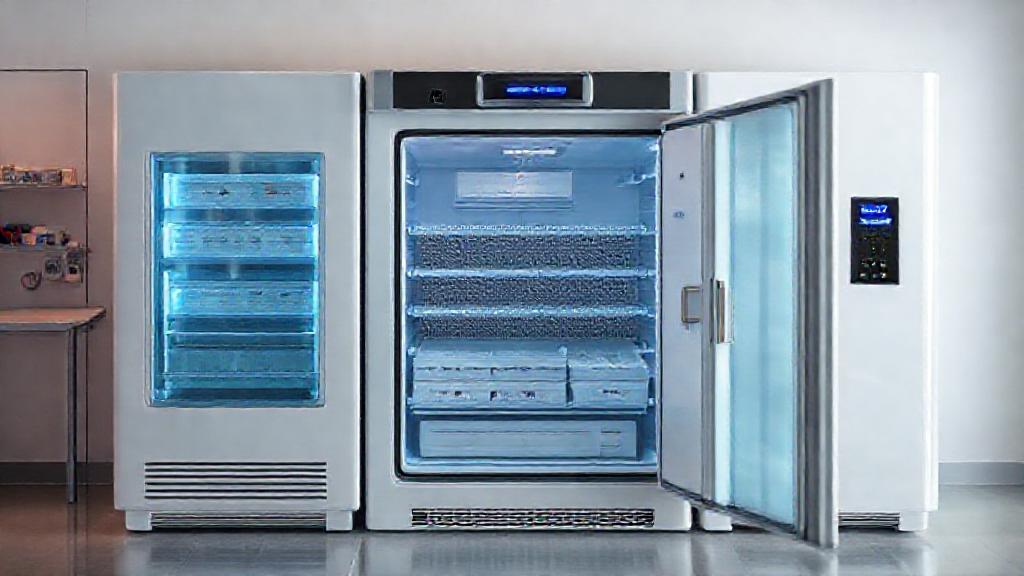
Setpoint accuracy means little if chamber temperatures drift between shelves. Independent probes placed at top, middle, and bottom racks reveal the true uniformity profile of any minus 80 C unit.
- Top-to-bottom uniformity should stay within plus or minus 5 C under stable, closed-door conditions.
- Recovery to setpoint after a one-minute door opening should occur within 15 to 30 minutes.
- Inner-door sensors positioned near the coldest zone can mask warm pockets during audits.
Recovery speed matters most during high-traffic retrieval sessions. Slow recovery subjects repeatedly exposed samples to damaging temperature excursions.
Energy Efficiency and Sustainable Cooling Options for Biobank Ultra Low Storage
Modern biobanks face rising electricity costs and strict sustainability targets. Selecting an efficient freezer now reduces both carbon footprint and long-term operating expenses.
- Hydrocarbon refrigerants such as R-290 and R-170 cut global warming potential dramatically.
- Variable-speed compressors and adaptive defrost trim daily energy draw.
- Heat recovery systems can redirect rejected warmth into facility heating loops.
- Validated -70 °C setpoints often preserve most sample types at lower cost.
- Cascade designs with inverter-driven stages balance pull-down speed and steady-state efficiency.
Confirm performance with standardized energy consumption testing before purchase.
Sample Integrity and Validation Protocols for Minus 80 C Biobank Freezers
Sample integrity depends on stable storage temperature and documented handling at every transfer point. Validation protocols should confirm that each freezer holds setpoint during door openings and power events.
A defensible validation program typically includes several repeatable checks:
- Verify temperature mapping across all rack positions before routine use
- Challenge recovery times with simulated door openings
- Record alarm response and backup cooling activation
- Review audit trails for chain-of-custody accuracy
Repeat qualification annually and after any relocation, repair, or firmware update. Retain records so auditors can trace every excursion to a documented corrective action.
Installation, Room Planning, and Power Requirements for Ultra Low Freezers
Proper installation planning protects freezer performance and prevents costly failures. Heat output from a single upright freezer can exceed 1,500 watts, warming small rooms quickly.
Before delivery, confirm these room and power essentials:
- Allow at least 30 cm clearance around vents for heat removal.
- Maintain ambient temperatures between 18°C and 25°C year-round.
- Provide dedicated 20-amp circuits per freezer, never shared power strips.
- Verify floor loading capacity for units exceeding 300 kg.
Oversized compressors demand stable voltage and adequate ventilation to hold minus 80°C. Plan backup power and alarm contacts during the initial facility design phase.
Monitoring, Alarms, and Remote Diagnostics in 2026 Ultra Low Freezers
Continuous monitoring protects sample integrity when staff are off-site. Modern controllers log temperature every few minutes and push alerts to phones.
Typical 2026 monitoring packages include:
- Independent probes with NIST-traceable calibration
- Multi-channel alarms for temperature, door, and power faults
- Remote dashboards with audit-ready data exports
Redundant sensors and battery-backed alarms prevent single points of failure during outages. Look for systems that timestamp every event and support 21 CFR Part 11 compliance.
Configure escalation tiers so critical deviations reach on-call staff within minutes. Wireless connectivity and API integration let one platform oversee dozens of freezers.
Maintenance Schedules and Troubleshooting Tips for Biobank Ultra Low Freezers
Preventive care keeps minus 80 C freezers reliable and protects irreplaceable specimens. Build a documented schedule that covers daily, monthly, and annual tasks.
- Inspect door gaskets and seals every month for frost or cracking
- Clean condenser coils and filters quarterly to sustain airflow
- Verify alarm and CO2 backup systems during scheduled drills
- Replace vacuum pump oil and desiccant filters per manufacturer intervals
When temperatures drift, check door closure, probe placement, and ambient room heat. Log every deviation, service action, and part replacement for audit readiness. Escalate compressor or cascade faults to certified technicians before sample loss occurs.
Procurement Checklist and Total Cost Considerations for Minus 80 C Freezers
Total cost of ownership extends far beyond the initial purchase price of the unit.
Procurement teams should model a full fifteen-year service life before committing capital.
- Purchase price, warranty coverage, and expected service life
- Annual energy consumption and compressor maintenance costs
- Rack, inventory, and sample-tracking accessory expenses
- Room cooling load, ventilation, and backup power requirements
- Validation, calibration, and temperature-mapping documentation fees
- Service contracts, spare parts, and technician training
- Freight, installation, and decommissioning or disposal charges
Energy, service contracts, and unplanned downtime often dominate lifetime spending.
A transparent supplier comparison keeps hidden costs from eroding budgets later.
Choosing a minus 80 C freezer in 2026 means balancing uniformity, recovery time, and energy use.
Validate sample integrity, plan room power and heat loads, and configure alarms before installation.
Maintenance schedules and remote diagnostics protect decades of irreplaceable biospecimens.
Compare total cost of ownership, not just purchase price, across every vendor shortlist.
Review your biobank’s capacity, workflow, and sustainability goals before you commit.
Explore Palico Bio’s ultra low temperature freezer range for a configuration built around your biobank.