

Shaker Incubator Buying Guide for Cell Culture Labs 2026
Your cell culture results depend on more than just the right media and sterile technique. The shaker incubator you choose shapes oxygen transfer, nutrient mixing, and temperature stability.
Invest in the wrong system, and reproducibility suffers.
This guide walks through the key specifications and features every lab should evaluate before buying in 2026.
From agitation type to total cost of ownership, you will learn how to match equipment to your workflows.
Why Your Cell Culture Lab Needs a Dedicated Shaker Incubator in 2026
Shared incubators often compromise experiment integrity. A dedicated shaker incubator combines precise temperature, CO2, and agitation in one sealed system.
This prevents cross-contamination and minimizes door openings that disturb cultures.
In 2026, automation and data logging are standard expectations.
You need reproducible conditions for suspension cells, microbial cultures, and protein expression.
A purpose-built unit ensures uniform mixing and thermal stability across every flask.
Dedicated equipment also reduces user error and frees shared instruments for other work.
The result is higher confidence in biological outcomes and smoother scale-up studies.
Orbital vs. Reciprocal Agitation: Which Motion Matches Your Cell Lines?
Agitation motion directly affects culture viability, growth kinetics, and reproducibility. Choose the wrong pattern, and even carefully optimized media will underperform.
Orbital shakers generate smooth, circular motion that keeps suspension cells evenly dispersed. This gentle agitation minimizes shear stress and promotes uniform gas exchange.
Most mammalian and insect cell lines thrive under this pattern.
Reciprocal shakers move platforms back and forth in a linear, vigorous motion.
They suit soil extractions, yeast cultures, and protocols needing intense aeration. However, abrupt direction changes can damage delicate cells.
For standard cell culture, orbital agitation remains the safer default. Select reciprocal only when your assay demands aggressive mixing or high oxygen transfer.
Critical Temperature Uniformity and CO2 Control Specifications to Compare
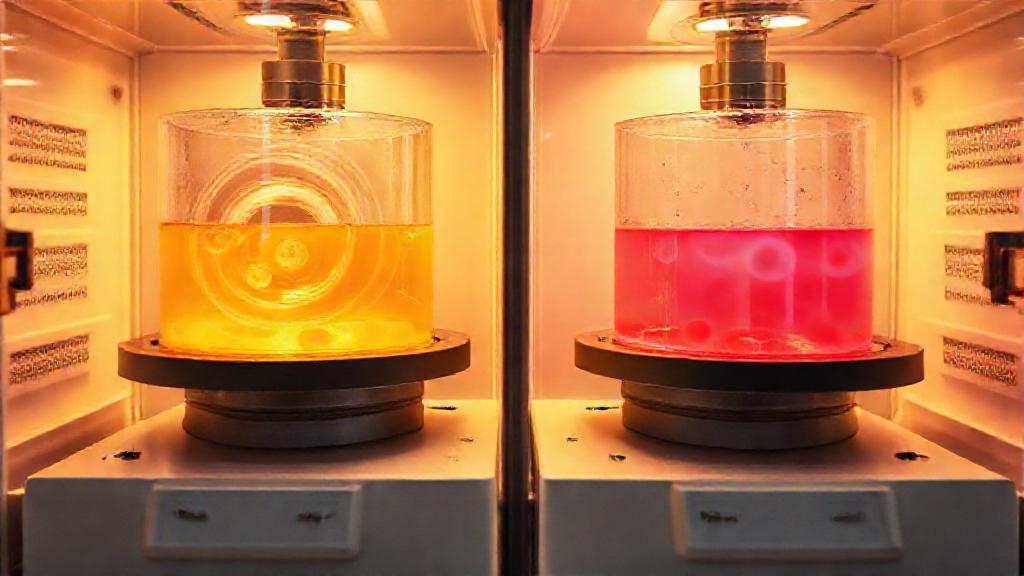
Temperature uniformity and CO2 control are pivotal for cell viability. Aim for ±0.2°C uniformity in all chamber zones and fast recovery after door openings. These two parameters often determine whether your culture thrives.
When evaluating CO2 performance, focus on these critical specifications:
- Sensor type: infrared (IR) preferred over thermal conductivity for stability
- CO2 range: 0–20% suits most mammalian cell lines
- Accuracy: ±0.1% or better prevents drift
- Humidity control: reduces evaporation in long experiments
Evaluate shelf-to-shelf temperature gradients, as uneven heating causes poor growth. Consistent conditions ensure reproducible cell growth throughout the chamber. Always prioritize these details to protect your cell cultures.
Shaker Speed Range, Orbit Diameter, and Shear Stress Considerations
Speed range dictates compatibility with your cell types. Low-end speeds near 30 rpm protect fragile cultures, while 400 to 500 rpm supports microbial work.
Orbit diameter controls oxygen transfer and shear. A 19 mm orbit suits standard flasks; 25 to 50 mm orbits improve mixing in larger volumes.
Always match shear stress to cell sensitivity. Suspension cells tolerate vigorous agitation, but stem and primary cells need gentle motion.
Compare these specifications:
- Speed accuracy and drift
- Orbit diameter and platform options
- Load capacity at max speed
- Shear stress at target volumes
Capacity Planning: Flask Sizes, Stacking Options, and Lab Footprint
Start with the flask sizes you use daily. A 250 mL flask requires a different platform geometry than a 2 L culture bottle.
Confirm the maximum load weight as well as dimensional fit.
Stacking options expand capacity, but verify temperature uniformity on every tier.
Weight distribution shifts with shaker speed. Check the load rating at your target rpm.
Measure your available bench and floor space. Remember to leave clearance for opening the lid, removing flasks, and servicing the drive motor.
A compact benchtop unit suits low-volume labs, while a floor model supports larger batches.
Plan for one step of future expansion without wasting square footage.
Material Quality, Corrosion Resistance, and Long-Term Cleaning Regimens
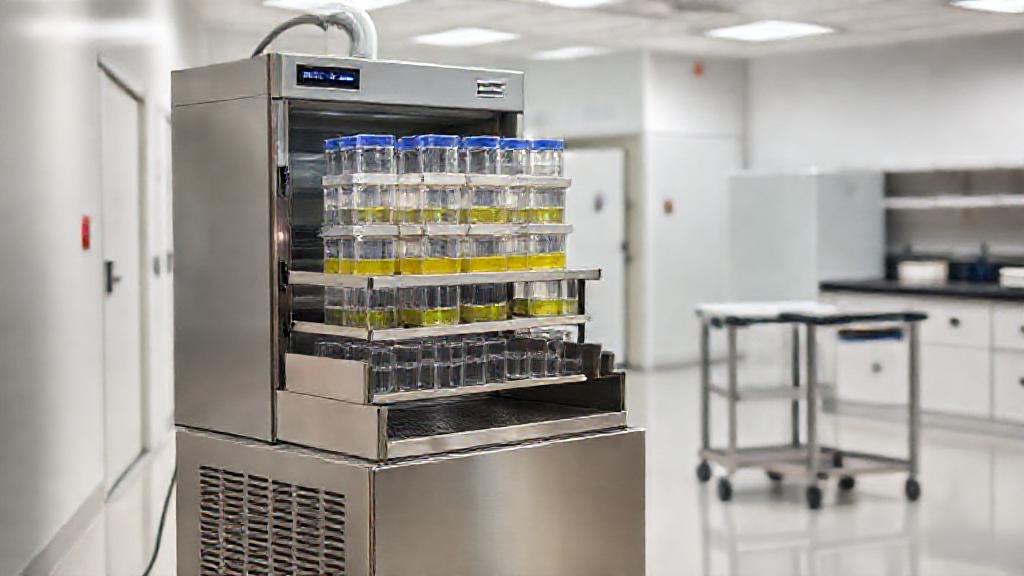
Material quality determines how long an incubator survives harsh, humid cell culture conditions. The interior should be electropolished stainless steel, ideally grade 316L. This resists pitting from media salts and routine disinfectants.
Seamless, rounded corners eliminate crevices where contamination hides. Check that shelves and clips are also corrosion-resistant and removable.
For long-term performance, follow a consistent cleaning regimen:
- Wipe down interiors weekly with lab-safe disinfectants.
- Use only non-abrasive cleaners to protect the surface finish.
- Validate cleaning products against CO2 sensors and seals.
- Schedule deep sterilization per manufacturer guidelines.
A well-maintained chamber reduces contamination risk and extends equipment life.
Evaluating Safety Features: Overtemperature Alarms, Lid Locks, and Remote Alerts
Safety features can make or break a shaker incubator purchase. Cell culture failures often trace back to thermal runaway or unauthorized access. Prioritize built-in protections that work without constant operator attention.
Key safety systems to verify:
- Overtemperature alarms trigger immediate visual and audible warnings before cultures overheat.
- Lid locks prevent accidental opening during high-speed agitation and reduce contamination risks.
- Remote alerts send real-time notifications to your phone or lab management system.
A competent unit integrates these safeguards seamlessly. Confirm that alarms are field-testable and that software logs events for compliance. This diligence protects both your experiments and your team.
Budgeting for 2026: Total Cost of Ownership and Key Accessory Investments
Look beyond the sticker price when budgeting for 2026. Total cost of ownership includes energy draw, routine maintenance, and annual calibration. Compare multi-year service agreements alongside the base price.
Key accessory investments often determine your long-term value. Prioritize these items:
- Interchangeable platforms and clamps for varied flask sizes
- Spare CO2 sensors and calibration kits
- Remote monitoring modules for alerts and data logging
These additions reduce downtime and protect cultures. Include them in your financial plan from day one.
A better-equipped system costs more upfront but pays off over years of reliable service. Budgeting for added sensors now prevents costly outages later.
Final Procurement Checklist: Questions to Ask Suppliers Before Purchase
Before you finalize your shaker incubator order, use this checklist.
- What is the expected service life of the drive motor?
- Are spare parts and technical service available within 48 hours?
- Does the unit comply with CE, UL, or ISO 9001 standards?
- Can you provide IQ, OQ, and PQ validation certificates?
- What is the maximum ambient temperature for rated performance?
- How long is the warranty, and what consumable parts are excluded?
Document every answer in writing. Request references from labs with similar cell culture workflows.
Verify installation and training are included in the quoted price.
Choosing the right shaker incubator comes down to matching agitation, environmental control, and durability to your specific cell lines. Evaluate temperature uniformity, CO2 stability, and shear stress carefully.
Plan for capacity, safety features, and long-term ownership costs.
Now use the procurement checklist.
Compare supplier quotes against your workflow requirements.
The right investment will protect your reproducibility for years.
Start your search today and equip your lab for 2026 with confidence.