

Top 10 Cell Culture Equipment for Your Lab in 2026
Cell culture remains the backbone of biomedical research and biopharmaceutical production. In 2026, labs must invest in state-of-the-art equipment to achieve reproducibility and efficiency in their daily workflows.
The right tools minimize contamination risks and ensure optimal cell growth conditions. From advanced CO2 incubators to precision pipettes, today’s innovations empower researchers to produce consistent, high-quality results.
This article explores the top ten essential cell culture equipment every lab should consider for 2026.
Advanced CO2 Incubators for Optimal Cell Growth Conditions
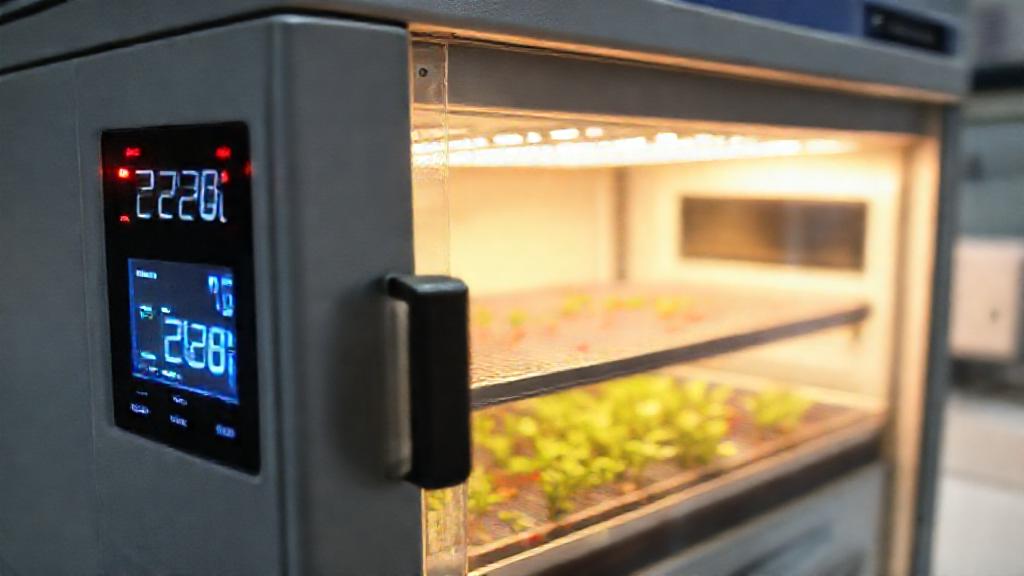
Advanced CO2 incubators control temperature, CO2, and humidity for optimal cell growth. They are essential for drug discovery and regenerative medicine.
These incubators suit both small-scale and large-scale research. Evaluate features: HEPA filtration, infrared CO2 sensors, waterless humidity, and programmable controls with data tracking.
These features minimize contamination and ensure reproducibility. They are indispensable for high-quality data.
Investing in a quality model ensures consistent results and reduced contamination.
Biological Safety Cabinets for Contamination-Free Cell Culture Work
BSCs prevent contamination in cell culture labs. They protect products and personnel with HEPA filtration and directional airflow.
Class II, type A2 cabinets are standard.
Evaluate HEPA efficiency for particulates and microbes. Check laminar airflow for uniform protection.
Look for adjustable height and tilting sash for ergonomics. Use energy-efficient DC motors to reduce costs.
Ensure compliance with NSF/ANSI 49.
Selecting a quality BSC invests in culture integrity. Regular certification and maintenance ensure performance.
High-Speed Centrifuges for Efficient Cell Harvesting and Processing
High-speed centrifuges are indispensable for pelleting cells efficiently after culture. They enable gentle separation without compromising cell viability.
Key features to look for in a high-speed centrifuge include:
- Max RCF above 10,000 x g for rapid pelleting
- Refrigerated models to maintain sample integrity
- Quiet operation and compact footprint
- Safety certifications and rotor compatibility
Choose a model that matches your throughput requirements and tube sizes. Reliable centrifugation accelerates your workflow and improves reproducibility.
Automated Cell Counters and Inverted Microscopes for Accurate Analysis
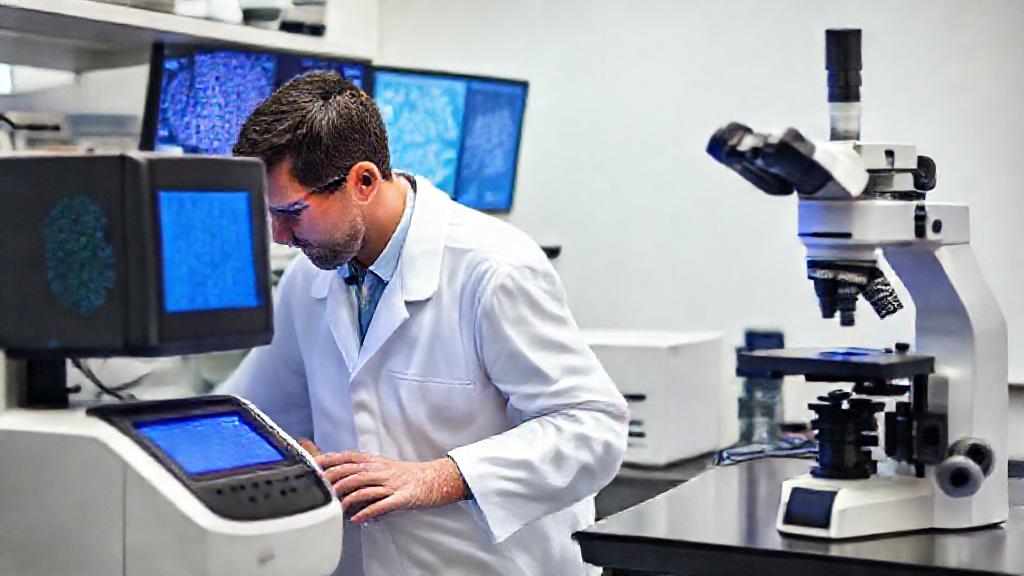
Automated cell counters and inverted microscopes are essential for accurate quantification and morphological assessment. Accurate cell counts are vital for seeding density and dose-response studies.
When selecting these instruments, consider the following features:
- Brightfield and fluorescence imaging modes for versatile assay compatibility.
- Integrated software with machine learning for precise segmentation and counting.
- High-NA, long-working-distance objectives for clear imaging of thick specimens.
- Active temperature control and CO2 incubation for live-cell experiments.
Integrating these tools into your workflow enhances data accuracy and supports high-quality research outcomes. Such equipment is a fundamental investment for any modern cell culture lab.
Shaker Incubators for Suspension and Dynamic Cell Cultures
Shaker incubators are essential for suspension cell lines and dynamic culture conditions. They combine orbital shaking with precise temperature and CO2 control, ensuring uniform nutrient distribution and gas exchange. This equipment supports high-density cultures in bioreactors or shake flasks.
When selecting a shaker incubator, consider these features:
- Orbit diameter: Choose 1 inch or 2 inches based on culture volume.
- Speed range: Typically 20-400 rpm for mammalian cells.
- Humidity control: Prevent evaporation in long-term experiments.
- Stackable design: Maximize lab space.
Investing in a quality shaker incubator improves reproducibility and cell yield.
Precision Pipettes and Liquid Handling Systems for Reproducible Workflows
Precision pipettes and liquid handling systems are indispensable for reproducible cell culture workflows. They ensure accurate volumes, reducing experimental variability.
Key features to consider:
- Ergonomic design reduces user strain during repetitive pipetting.
- Electronic pipettes offer enhanced precision and programmable dispensing.
- Multichannel pipettes streamline microplate-based assays and serial dilutions.
- Regular calibration and maintenance sustain long-term accuracy.
- Integration with robotic systems enables high-throughput automation in 2026 labs.
Selecting reliable liquid handling tools safeguards consistency in cell culture experiments.
Microplate Readers for Quantitative Assays and High-Throughput Screening
Microplate readers are indispensable tools for quantitative assays in cell culture labs. They detect signals from absorbance, fluorescence, and luminescence to measure cell viability, proliferation, and gene expression.
With high-throughput capabilities, these instruments can analyze entire plates in minutes.
Common applications include ELISA, reporter gene assays, and drug screening.
Key features to look for include multimode detection, temperature control, and automated data analysis. A high-quality microplate reader enhances experimental efficiency and data reproducibility, making it a cornerstone of modern cell culture research.
Autoclaves and Sterilization Equipment for Contamination Control in Cell Culture Labs
Autoclaves are critical for contamination control in cell culture labs. They sterilize glassware, instruments, and media using high-pressure steam.
For optimal results, choose an autoclave suited to your workflow. Consider these factors:
- Chamber size: Benchtop for small spaces, floor-standing for large labs.
- Cycle types: Pre-vacuum cycles for porous loads, gravity cycles for liquids.
- Monitoring: Integrated printers or software for validation.
Modern autoclaves feature fast cycles and intuitive controls, saving time. Investing in reliable sterilization equipment protects cultures and ensures reproducibility.
Cold Storage Solutions: Liquid Nitrogen Tanks and Ultra-Low Freezers
Preserving viable cell lines and sensitive reagents requires reliable cryopreservation equipment. Liquid nitrogen tanks provide long-term storage at -196°C, ideal for cell banks, while ultra-low freezers maintain stable -80°C for short-term sample storage. Choosing between them depends on storage duration and sample volume.
When selecting cold storage equipment, consider these key factors:
- Vapor-phase liquid nitrogen storage prevents cross-contamination and sample loss.
- Ultra-low freezers with microprocessor controls ensure temperature uniformity and alarm systems.
- Inventory management features and ergonomic design streamline sample organization.
Both equipment types are indispensable for protecting valuable cell cultures and ensuring reproducible experimental outcomes.
Equipping your cell culture lab with the right tools in 2026 is essential for achieving reliable and reproducible results. Advanced incubators, biosafety cabinets, centrifuges, and automated systems each serve a critical function.
Investing in high-quality equipment enhances workflow efficiency and data accuracy.
Carefully assess your lab’s requirements and select instruments that will support your research goals for years to come.
Take the next step to upgrade your lab today.